miHoYo's BSide: Olivia Lin debuts on Steam as a unique AI companion app focused on music and emotional connection, though early feedback reveals challenges.
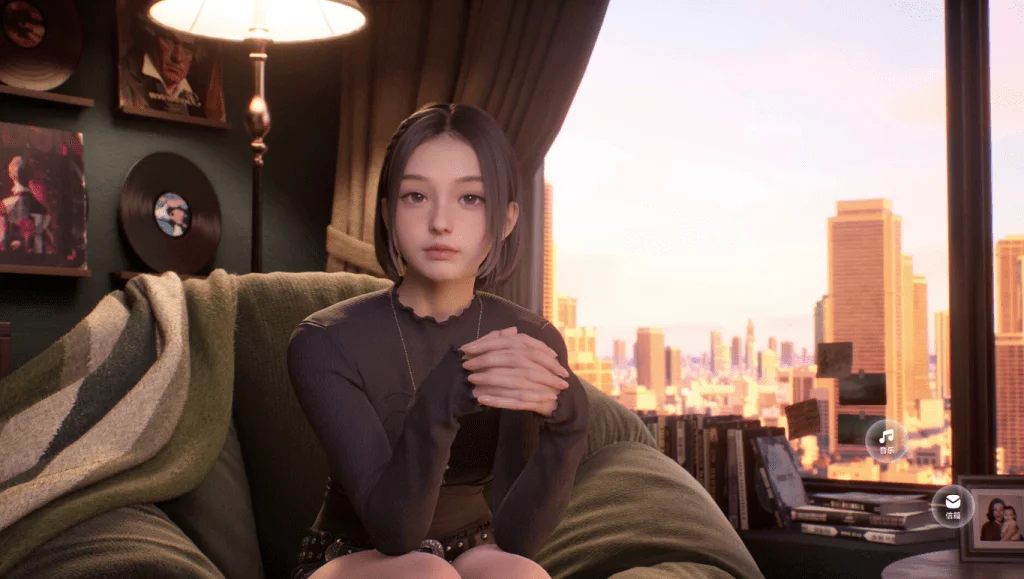
On Monday, miHoYo, the Chinese gaming giant known for its anime-style titles, released BSide: Olivia Lin in Early Access on Steam. This app distinguishes itself from typical video games by being classified as a Free to Play Utility, signaling an intentional pivot towards AI-driven digital companionship.
Understanding BSide: Olivia Lin
BSide isn’t just another entry in the crowded gaming space; it represents an emerging trend in how technology is interwoven with personal interactions. While most current titles focus on standalone gaming experiences, BSide positions itself more as a digital companion than a game. This reflects a shift where companies are exploring how AI can create more personalized and emotionally resonant interactions, moving beyond traditional gameplay.
At the core of BSide is Olivia Lin, a virtual character conceived as a Shanghai student who has multifaceted interests that include a love for piano and psychology. These attributes are designed not just to make her relatable, but to facilitate a bond with users. By incorporating hobbies like enjoying vinyl records and classic films, Olivia becomes more than just a character; she's a construct aiming to resonate with users' memories and preferences. In doing so, she hopes to establish a connection that feels genuine, which bodes well for user engagement.
The Functionality Spectrum
BSide is not structured like traditional games; it's a fusion of music creation, AI interaction, and desktop environment integration that results in a unique companion experience. Users are invited to enjoy Olivia’s performances of a variety of piano pieces or even upload their own MIDI compositions, which Olivia can then interpret and perform. This setup allows musicians to see their works come alive in a manner that feels interactive, breaking the mold of how we define musical engagement.
The app also boasts an AI-based letter chat system. Here’s the thing: users can express their thoughts or feelings, and Olivia responds in a way that's meant to be part of her narrative. This isn’t just a gimmick; it is a concerted effort to deepen user engagement. The goal is to cultivate a sense of companionship, making it less about a generic and more about a personified interaction that can lead to emotional connections. Just try imagining how that personal touch could alter the typical interactions we have with digital tools.
One standout feature is the ability to set Olivia as a live Windows desktop wallpaper, which might seem minor at first glance but becomes significant when you consider user habits. This allows users to initiate performances and interact with her without diving into a separate application, making engagement quick and accessible. That’s a smart move by miHoYo, essentially keeping Olivia front and center in users’ lives—an ever-present companion rather than a separate experience.
Reception and Operational Snags
Despite its intriguing premise, BSide: Olivia Lin's launch presented challenges. Many users expected a game-centric release from miHoYo, which triggered disappointment when they encountered what is primarily a utility app devoid of a traditional narrative arc. This mismatch indicates a significant disconnect between what users anticipated and what BSide offers, raising questions about how miHoYo communicated its vision ahead of launch.
Feedback has illuminated issues that could hinder user retention. For instance, AI-generated replies often feel repetitive, making interactions feel less dynamic than users hoped for. There's also the problem of video-audio desynchronization when processing specific MIDI files, which detracts from the experience of enjoying Olivia's performances. Users have become increasingly vocal about their concerns with the onboarding process as well, noting the requirement to link a miHoYo Pass account complicates initial access and could deter new users.
Additionally, there's ongoing debate regarding the app's content scope. Some question whether its design prioritizes data collection for AI improvement over delivering a fulfilling user experience. Are users merely feeding a giant machine learning model? This skepticism might alienate potential users who seek a more traditional companion experience rather than an experiment in AI evolution.
Technical Specifications and Future Outlook
The system demands for BSide are surprisingly modest, especially given the intricacies involved in real-time AI processing and music generation. The Steam listing points to a need for a 64-bit version of Windows 10 from build 1809 onward, along with 4GB of RAM and a quad-core processor, which should be manageable for many users. The base app requires about 6GB, with an expansive music library potentially demanding around 100GB. This setup suggests that the barrier to entry isn't prohibitive, making it accessible for a wide range of users.
Currently in Early Access, BSide has managed to accrue over 100,000 downloads, signaling some level of interest among users. miHoYo has indicated a commitment to ongoing development, particularly focusing on user feedback to enhance features and overall experience. Whether BSide can carve out a niche amidst the myriad of AI companions will depend heavily on how sincerely it addresses feedback and problem areas. Failure to adapt may mean it becomes just another footnote in the ever-expanding catalog of virtual assistants.
Implications for the Future
As BSide solidifies its place in the tech sphere, its success could foreshadow broader implications for the digital companionship industry. If miHoYo can navigate the current critiques and bolster user satisfaction, it might set a precedent for future applications in emotional AI and user interaction. Companies exploring similar avenues should be paying attention: what do users truly want from an AI companion? A well-rounded, emotive experience—or just a digital resource? The answer will determine the direction this niche will take.
If you're working in this space, take note of BSide's trajectory. It serves as a potential bellwether for how users may respond to the intersection of AI and emotional companionship. The playful yet honest approach that miHoYo has taken may well be a template—or a cautionary tale—for future endeavors.
Discussion
Sign in to join the discussion.