S-GAME has rescheduled the release of Phantom Blade Zero to October 29, focusing on improved stability and fewer post-launch bugs.
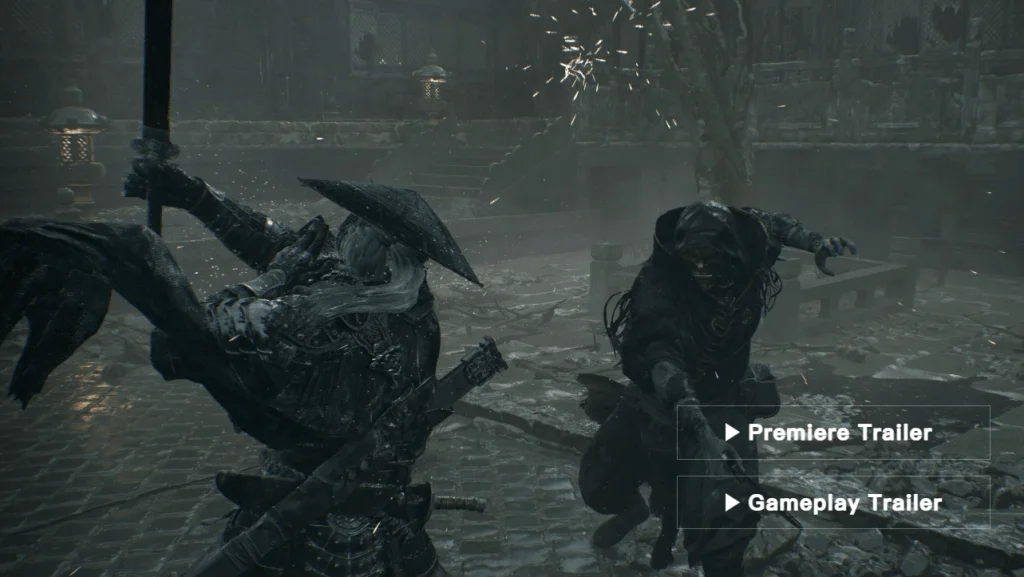
Phantom Blade Zero's New Release Date
Chinese game developer S-GAME has moved the launch of Phantom Blade Zero from September 9 to October 29. The announcement was made during Sony’s recent State of Play event, stirring conversations in the gaming community. Players and industry analysts alike have turned their attention to the implications of this change. While delays in the gaming world aren't uncommon, the specifics surrounding this one add layers of complexity to why developers make such decisions.
Understanding the Developer's Intent
When S-GAME decided to push back the release of Phantom Blade Zero, it wasn't simply a strategic maneuver aimed at dodging competition. As CEO Liang Qiwei emphasized, the primary reason for the shift is to enhance the game's quality. In an industry where initial impressions can make or break a title, the focus on bug fixes and refinements speaks volumes about their approach to game development. If you're working in this space, you know that a polished product often results in better player retention and satisfaction.
The gaming industry is rife with examples of titles that rushed to market only to face severe backlash. Think of games like *Cyberpunk 2077,* which launched amid a plethora of issues. Players and critics alike lambasted the game for its incomplete elements, resulting in significant damage to both brand and revenue. In contrast, S-GAME’s decision aligns with industry best practices; by prioritizing quality over speed, they're aiming to set themselves up for success.
The Context of Game Delays
Delays in the gaming sector can arise from a variety of challenges. These range from technical issues and resource allocation, to shifts in market demands. In many cases, developers find themselves overwhelmed by the complexity of modern game development—especially when high-end graphics, vast open worlds, and intricate storytelling intertwine. Aiming for perfection often means additional hours spent refining features that players might not even consciously notice. But these details matter; they differentiate a good game from a great one.
It's not unusual for studios to announce delays only to later reveal that they needed more time to incorporate feedback from beta tests or to enhance gameplay features. This strategy can be effective, giving developers a chance to step back and evaluate their work critically. Moreover, the gaming community is generally supportive of these decisions if they're communicated effectively. Players appreciate transparency and are often willing to wait longer for a title they believe will deliver an exceptional experience.
Consumer Reactions and Community Expectations
The response from gamers regarding the delayed release of Phantom Blade Zero has been a mixed bag. Some fans express disappointment at the wait but acknowledge the need for quality. Others vent frustration over yet another postponement in a gaming landscape where delays have become more common. Interestingly, this sentiment often influences future sales; a well-received title, especially one that demonstrates its commitment to quality, can build lasting customer loyalty. Players have shown that they’re willing to wait for a polished experience—though balancing this expectation with excitement can be tricky.
This balancing act is something S-GAME must navigate, as they’re not releasing in a bubble. Players often look to social media and community feedback forums to gauge the sentiment surrounding any delay. The conversations that ensue—be it discussions on Reddit or Twitter—can shape expectations and significantly impact pre-launch hype. So it’s a delicate dance: announcing a delay while still building anticipation can be challenging.
Industry Comparisons
When observing the gaming industry, the case of Phantom Blade Zero isn’t unique. Many companies have opted to delay launches, some citing quality concerns while others have reasons rooted in market competition. For instance, with the rise of platforms like Game Pass, developers also contemplate the timing of their releases within wider gaming ecosystems. It makes sense for studios to choose release windows that maximize exposure and sales potential.
Other notable games have emerged following similar trajectories. Titles such as The Last of Us Part II and Final Fantasy VII Remake both experienced delays, ultimately leading to polished products that garnered critical acclaim. These instances underscore a growing understanding among developers; sacrificing potential launch window advantages may actually enhance long-term success through player satisfaction.
Looking Ahead: Implications and Future Outlook
So, what's next for Phantom Blade Zero and S-GAME? The decision to delay launch until October 29 raises questions about the level of competition and potential player engagement during that period. October is known for several marquee releases, which could dilute attention from the gaming community. That said, many players might welcome a new experience after the ongoing summer blockbuster season.
But consider this: the additional development time could also empower S-GAME to differentiate their game significantly. Fans are keen on unique mechanics and storytelling. If they can enable a richer gameplay experience, the wait may prove advantageous. Creating buzz around a title while ensuring it stands apart from competitors is increasingly essential in this saturated market. This might also lead to greater opportunities for post-launch support and DLC expansions, fostering an ongoing conversation with the community.
As the release date nears, all eyes will be on S-GAME. Will they fulfill heightened expectations? The gaming community thrives on both excitement and skepticism, and players will be poised to scrutinize every detail. The success or failure of Phantom Blade Zero could resonate well beyond its initial launch, influencing perceptions of the studio and setting the bar for subsequent projects.
Discussion
Sign in to join the discussion.