KISED showcased South Korea’s startup landscape at BEYOND Expo, emphasizing its support programs and position as a gateway for international entrepreneurs.
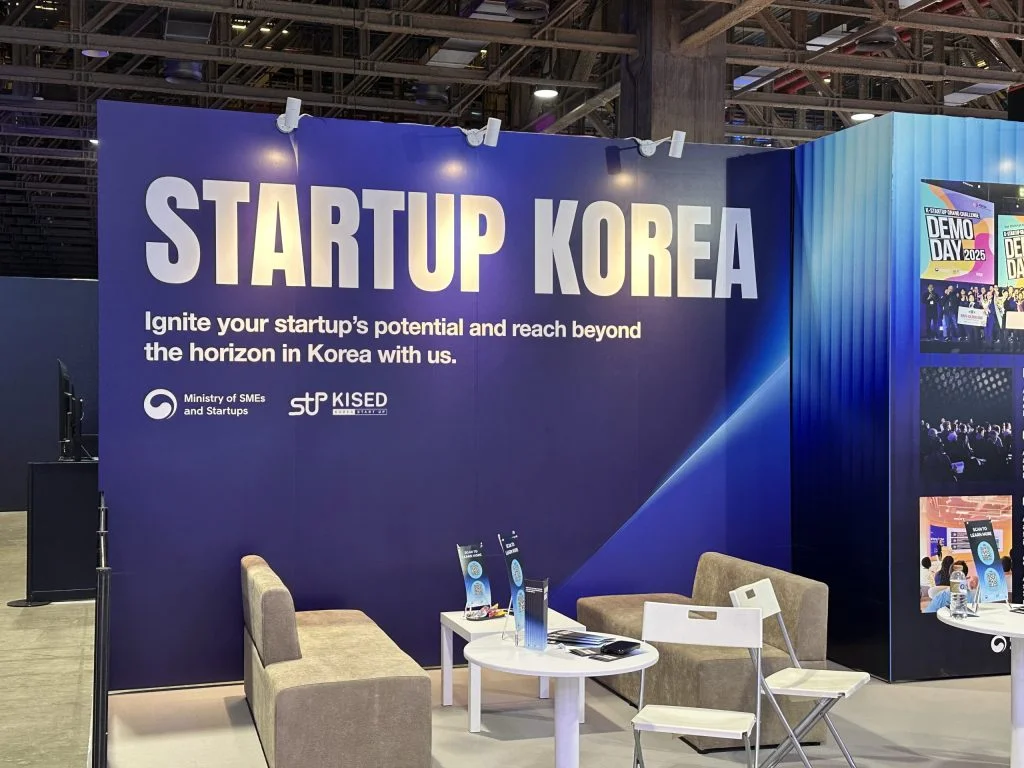
At BEYOND Expo 2026, the Korea Institute of Startup & Entrepreneurship Development (KISED) put South Korea’s startup ecosystem front and center, signaling its appeal to international entrepreneurs and investors. With a focus on how the country fosters innovation, provides industrial resources, and supports startups through proactive policies, KISED aims to position South Korea as not just a market, but as a strategic entry point into Asia.
A representative from KISED articulated that their mission transcends the conventional approach of merely marketing products; instead, they are committed to showcasing the depth and vibrancy of South Korea’s startup environment to a global audience. South Korea presents not only market opportunities but also serves as a key gateway for startups aiming to penetrate Asian markets.
Competitive Advantages
During the presentation, the representative detailed the country’s strengths in innovation, citing world-class digital infrastructure and electronic payment systems that are among the most advanced globally. The continuous rise in R&D investment has reinforced South Korea’s stature in global rankings for innovation and research competitiveness. This is more significant than it looks; it means that startups can thrive in an environment that not only supports them but actively encourages high levels of research-driven entrepreneurship.
With over two decades of evolution following the Asian financial crisis, South Korea’s startup ecosystem has matured significantly. The country has transitioned towards a diversified innovation-driven economy, moving away from its long-standing dependence on large conglomerates. This shift is notable because it reflects an understanding within the government and business community that a healthy startup ecosystem is vital for sustainable growth. Today, technology startups play an increasingly vital role in driving the national economy forward.
Home to global giants like Samsung, SK Hynix, and Hyundai Motor, South Korea encourages collaboration between large enterprises and startups. This collaboration creates new business avenues while enhancing resource availability for emerging companies. For instance, partnerships can lead to shared R&D costs, which can be a significant burden for new ventures. These alliances not only help startups access critical technology but also provide credibility in the eyes of potential investors. Thus, navigating the connections between large corporations and startups could be an effective strategy for new companies.
Support Initiatives and International Collaboration
As part of the South Korea’s Ministry of SMEs and Startups, KISED acts as a national support platform for startups, managing a budget of around $1 billion annually to foster entrepreneurial growth. This level of funding is indicative of South Korea's commitment to nurturing its startup climate. To date, over 8,000 startups have benefited from KISED’s diverse support programs, which include entrepreneurship education, incubation, commercialization, investment matchmaking, and international expansion. Each of these programs addresses critical points in the startup lifecycle, providing not just financial resources but also knowledge and mentorship.
For international entrepreneurs, KISED has rolled out tailored programs. The K-Startup Grand Challenge, a key initiative, invites over 2,000 applications from abroad each year but only selects about 80 participants. Those chosen benefit from a three-month acceleration program along with commercialization support and investor pitching opportunities. This selective process ensures that only the most promising startups enter the program, which maximizes the overall quality and raises the bar for innovation. Applications for the next cycle in 2026 are currently open to startup teams worldwide.
The Global Startup Center is another KISED offering, designed to assist overseas entrepreneurs by providing essential services such as office space, business incorporation assistance, startup training, networking opportunities, and resources to ease market entry into Korea. The variety and thoroughness of these support initiatives make it less daunting for foreign startups to navigate an unfamiliar market. (And this is the part most people overlook.) It’s not just about having a great idea; it’s also about having the right local support to make that idea work in a new environment.
Attracting Global Talent and Future Prospects
High-potential international startups can access commercialization support programs that provide up to $50,000 in funding to facilitate market entrance and operational establishment in South Korea. This level of financial support is substantial and can indeed be a game-changer for startups needing to secure a foothold. In efforts to attract global entrepreneurial talent, the Startup Korea Special Visa simplifies the visa process by focusing on a startup’s innovative capacity and market fit, enabling qualified applicants to gain approval in as little as one month without needing prior travel to Korea.
KISED concluded its call to action by encouraging entrepreneurs to view South Korea as a prime location for establishing a foothold in the Asian market. The organization is committed to enhancing its startup support framework and expanding international collaboration. This dedication signals to potential entrepreneurs that South Korea aims to cultivate a more competitive and open innovation ecosystem, which is an attractive proposition for those looking to tap into the burgeoning Asian market.
Implications and Future Outlook
The implications of these initiatives extend far beyond South Korea’s borders. By positioning itself as a startup hub, South Korea is not merely generating local jobs; it's creating a ripple effect that can enhance the entire Asian economic landscape. It opens the door for cross-border collaborations, allowing foreign startups to access South Korean resources while contributing to the local economy. This dynamic can lead to a merging of ideas and capital that drives innovation in multiple sectors, from technology to healthcare and beyond.
If you're working in this space, you should be paying close attention. The implications for global entrepreneurs are profound, as South Korea's focused efforts to attract international talent and investment might create a breeding ground for next-gen technological innovations. That could very well dictate market trends not just in Korea but potentially influence developments across Asia. The future looks promising — if managed wisely, it can position South Korea at the center of global entrepreneurship, shaping critical discussions about innovation and market engagement for years to come.
Discussion
Sign in to join the discussion.