The smart glasses industry is shifting toward lightweight designs and AI integration, positioning itself for a pivotal transformation in user interaction.
Shifting Paradigms in Smart Glasses
As the intersection of AI and wearable technology expands, smart glasses are regaining prominence in the tech landscape. Major players like Meta with its collaboration with Ray-Ban, Apple's Vision Pro, and Google’s AR initiatives highlight a competitive atmosphere reminiscent of the smartphone battles. This time, companies from China are also asserting their presence in this dynamic market.
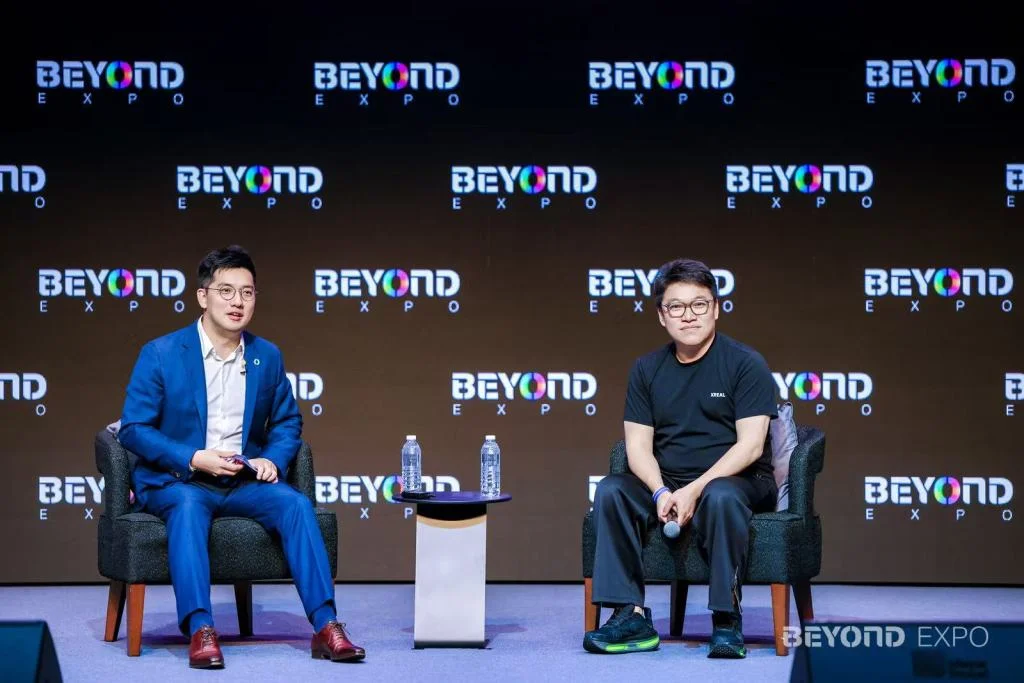
XREAL's Insights at BEYOND Expo 2026
During the BEYOND Expo 2026 in Macau, XREAL CEO Xu Chi offered compelling insights into the future of AI glasses and the broader implications for the tech ecosystem. He disclosed that XREAL has hooked up with Google for a long-term partnership, with a product launch anticipated in the near future.
Overcoming Barriers to Adoption
Xu pointed out that the release of the Apple Vision Pro highlighted significant challenges, notably high price points and cumbersome designs that hinder mass-market adoption. He emphasized the trend toward lighter, more user-friendly smart glasses as the future of this technology, projecting a vision where wearing AI glasses feels as natural as using standard prescription pairs.
Learning from the Past
The AR sector has spent much of the past decade chasing immersion, but devices like Google Glass and Microsoft’s HoloLens have struggled with weight, battery life, and pricing that kept them from mainstream acceptance. The interest generated by the Vision Pro illuminates how far high-end devices remain from becoming commonplace.
The New Focus: Lightweight Devices with Enhanced AI
Now, a shift is occurring among companies like XREAL, Meta, and Rokid, where the focus is first on creating lightweight devices before layering on advanced AI capabilities. This approach positions AI as a pivotal aspect of their development, with many in the industry viewing it as the wildcard driving future adoption.
The Next Essential Features
Xu identified the all-day personal AI assistant as the likely killer app for smart glasses. Unlike smartphones, which require proactive user engagement, glasses can offer ubiquitous companionship, constantly aware of a user’s surroundings and needs. With advancements in eye-tracking technology, these devices could anticipate user focal points and provide contextual assistance.
Industry Consensus on AI Glasses
This perspective on AI glasses is becoming increasingly unanimous among industry leaders. Meta’s Mark Zuckerberg has noted that this type of wearable tech could represent the next significant computing interface, emphasizing how glasses naturally align with AI functionalities.
Google's AR Endeavors
Meanwhile, Google is ramping up its efforts to integrate its Gemini AI capabilities into AR technology. As large-scale AI models evolve to understand visual input in real-time, the vision of "AI that can perceive the world" is progressing from concept to tangible reality.
Challenges Beyond Hardware Development
However, hardware alone isn't enough. Xu articulated that the main obstacle lies in building an ecosystem and addressing globalization challenges. He outlined that Chinese tech companies have traditionally relied on cost advantages, but the landscape is shifting toward branding, cultural relevance, and local market adaptation.
Reframing Global Competition
In a thought-provoking analogy, Xu remarked, “If you beat everyone 6–0 every time, no one will want to keep playing with you.” He advocates for Chinese companies to evolve from mere product exporters to co-creators of value within global markets.
The Evolving Role of Chinese Tech Firms
This evolution signifies a transformation in China’s tech industry, which has historically been associated with manufacturing. Now, firms are beginning to influence next-generation technologies across AI, robotics, new energy, and AR, which may signal their readiness to dominate the smart glasses sector.
Acoming Turning Point in Smart Glasses
While the definitive "iPhone moment" for smart glasses has yet to arrive, a growing cohort of Chinese firms is strategically positioning themselves to lead this emerging wave in the tech domain.
Discussion
Sign in to join the discussion.