AI-driven coding tools are speeding up development, but a structured software factory approach is essential for safe and efficient delivery.
Understanding the Software Factory Concept
The software factory model is gaining traction, driven by advanced AI coding tools that can accelerate code generation. This approach to software development reimagines the lifecycle of code creation, treating it almost like manufacturing. Factories have long relied on assembly lines to produce goods efficiently; now, similar principles are applying to software. However, speed alone isn't enough to ensure a smooth development process. Many teams find that quicker coding simply shifts the bottleneck to stages like review, testing, deployment, and operations.
In traditional software development, the emphasis is often placed on how quickly features can be pushed to production. But when teams implement AI coding tools, they sometimes overlook critical steps needed for sustainable quality assurance. For example, while code generation may accelerate, the ensuing review processes can become overloaded. The complexity and nuance of software often require extensive verification rounds, exposing weaknesses that can lead to bugs or inefficiencies down the line. In a fast-paced environment, overlooking these crucial areas can lead to product failures or, worse yet, loss of customer trust.
Moreover, the software factory concept reflects a shift in mindset. Instead of viewing software as a one-off project, it frames it as a continuous process that should be optimized like any other manufacturing operation. But here's the thing: this requires an organizational culture that embraces change and encourages cross-functional collaboration between different teams such as development, QA, and operations.
Benefits of a Streamlined Approach
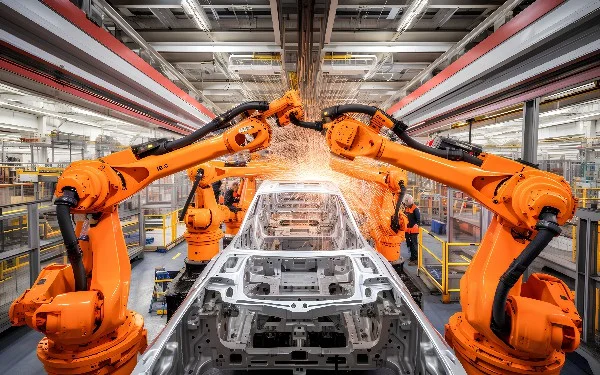
Organizing software development as a cohesive, repeatable system, akin to an automotive assembly line, enhances efficiency. Each phase in this model functions with a clear purpose, enabling work to progress in an orderly fashion. This system incorporates timely quality checks, ensuring that finished products undergo stringent inspections before release. By aligning roles clearly, everyone on the team knows their responsibilities, which mitigates the risk of bottlenecks caused by misunderstandings or overlapping tasks.
Various industries have demonstrated the effectiveness of streamlined processes. Take automotive manufacturing as a case in point. In that realm, every component, from assembly to quality checks, is finely tuned for optimal production flow. Software could benefit from adopting similar practices, where the process is continuously evaluated, tweaked, and improved upon. The repetitive nature of the factory model allows teams to rapidly identify problems and adjust their operations accordingly, a principle that can be applied across various software development frameworks.
Another significant benefit lies in the integration of automated quality checks. In traditional methods, manual testing can consume substantial time and resources. By automating these checks, teams can focus on more complex areas that require human intervention, such as exploratory testing or usability evaluation. This shift helps ensure that quality isn't just an afterthought, but a foundational element integrated into the very fabric of the development cycle.
It's also worth considering the feedback loops created within a streamlined model. For instance, once a piece of code is generated, it ideally goes through testing before returning to developers for revising based on review findings. This iterative process allows for ongoing data collection. Teams can use this data to inform their future development efforts, enhancing both the code quality and the efficiency of the development pipeline.
Challenges and Considerations
Despite the clear benefits of adopting a software factory approach, challenges persist. Teams may encounter resistance when shifting from traditional methodologies to a more factory-like model. Some developers may find it counterintuitive to relinquish aspects of creative autonomy, feeling constrained by a rigid system. This can create friction, as creativity is often a key component of software development, necessitating balance between structured processes and flexible thinking.
Moreover, the reliance on AI-driven tools can generate dependency issues. If teams rely too heavily on these technologies without maintaining a solid foundation of human expertise, they risk running into pitfalls. An essential element of effective software development remains human insight—an AI might not catch the subtleties of user experience or edge cases that experienced developers identify quickly. Hence, striking the right balance between human oversight and AI assistance is critical.
And this is the part most people overlook: training. With the adoption of advanced tools, team members need ongoing education. They need to understand not just how to use AI effectively but also how to manage the integrity of the software being produced. The technology itself won't solve all problems unless the people using it know how to implement it properly and critically analyze its output.
Implications for the Software Development Industry
The scalability potential of the software factory concept is vast. Companies that adopt this model could find themselves reducing time to market, allowing for more frequent updates and adjustments based on user feedback. However, this rapid deployment comes with its own set of risks. If the quality assurance aspects do not evolve alongside coding speeds, companies may release poorly performing features that drive users away.
What this means for you if you're working in this space is that embracing a more systematic approach can improve productivity significantly, but without careful oversight, the increase in velocity may lead to diminishing returns if not managed effectively. Striking the right balance between speed, quality, and creativity is crucial for long-term success; otherwise, teams might deliver products faster but at lower quality.
In summary, while the software factory model presents an exciting frontier, stakeholders at every level must tread carefully. The balance between innovation, efficiency, and quality is delicate. It's not just about building faster but also about building smarter.
Discussion
Sign in to join the discussion.