Explore the nuanced challenges of implementing effective observability in high-traffic environments without sacrificing performance or increasing costs.
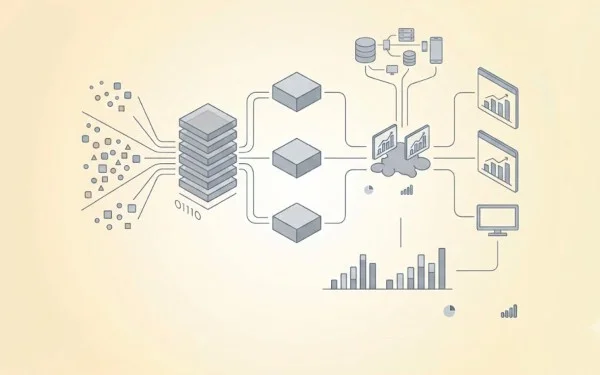
The Role of Observability
In the tech ecosystem, observability systems are increasingly seen as foundational blocks for maintaining both stability and scalability in software architecture. With the continuous influx of data—often in the billions of events daily—the stakes are high. As technology has advanced, I've spent years designing critical infrastructure across multiple platforms, from real-time communication systems to high-traffic financial transactions. Each of these systems has its specific requirements, but one thing remains constant: the need for observability. It’s a demanding task—ensuring every part of the system is working harmoniously without lagging behind performance expectations.
However, the irony is that while you might add all this monitoring and logging to improve observability, the very act of instrumentation can often become a performance bottleneck as system load increases. You want to keep an eye on your system’s behavior in real-time, but incessant logging and data collection can slow things down, making observability a double-edged sword. This isn't just a technical issue; it's a philosophical one. Maintaining transparency into your system's operations while also ensuring that it runs smoothly is a fine balance—and one that many organizations struggle to master.
Challenges in Telemetry
Implementing telemetry effectively poses a myriad of challenges that many companies often underestimate. First, the primary goal of telemetry is to provide insights into the health and performance of systems. But achieving this goal without compromising live application performance is tricky. You need to collect essential data without causing request latency or ballooning cloud service costs, which can happen rapidly with increased data collection.
This dilemma often gets deprioritized during the initial stages of system development. Teams might be eager to roll out new features or products, leaving telemetry on the back burner. However, as systems evolve, this initial oversight quickly becomes critical. If you’re working in this space, you know that as user engagement grows, so does the need for comprehensive data regarding system performance.
Addressing telemetry issues isn't just about deploying tools and hoping for the best. It requires a sophisticated understanding of system architecture and network behavior. For example, if you're managing a microservices architecture, the interdependencies can complicate logging efforts tremendously. The challenge multiplies when you consider that the volume of telemetry data can be staggering. It's common for engineers to feel overwhelmed by data without being equipped to interpret it effectively. (And this is the part most people overlook.) Understanding which signals are genuinely relevant becomes paramount.
Instrumentation Strategies
When it comes to instrumentation, choosing the right approach is essential. You can't simply stick to traditional logging methods and expect them to scale along with your system. Each new microservice, API, or data stream adds an additional layer of complexity that conventional methods struggle to accommodate. The key lies in producing telemetry that is rich yet specific enough to be actionable without becoming overwhelming.
One effective strategy is to adopt a sampling approach, where you capture data at predefined intervals or based on specific conditions rather than capturing every single request. This reduces the strain on your system and still provides a balanced view of performance. However, sampling comes with its own challenges: you risk missing out on critical data points or rare events that could indicate deeper issues.
Another important consideration is the context around the telemetry you choose to capture. Is your data merely about performance metrics, or does it also incorporate contextual information that could help in troubleshooting? For instance, capturing user interactions along with your system’s response times can provide a more holistic view of system health. It may also save precious time in diagnosing and resolving issues when they arise.
Solutions and Tools in the Market
Fortunately, the tech industry has responded to these needs with a variety of tools designed to enhance observability and telemetry. Tools like Prometheus, Grafana, and OpenTelemetry have emerged as go-to solutions for many organizations. They provide capabilities that allow for both real-time monitoring and in-depth data analysis, addressing some of the key hurdles associated with traditional telemetry efforts.
However, with so many options out there, it can be difficult to determine which tools will best meet your specific needs. Integrating new tools into existing workflows can require a significant investment of time and resources. Therefore, evaluating the cost versus benefits becomes non-negotiable. Some organizations end up with a patchwork of solutions that complicate rather than simplify their telemetry efforts. Having a coherent strategy before deployment is essential.
Implications and Future Outlook
The implications of effective observability and telemetry systems extend far beyond mere performance metrics. They're intertwined with broader issues like user experience, system reliability, and even security. A well-implemented telemetry system can highlight vulnerabilities before they become exploitable, providing a proactive layer of defense. Yet, overlooking these aspects can lead to a cascade of failures that affect not just your system but your reputation as well.
As organizations move to more cloud-native architecture and microservices, the demand for effective observability solutions will only intensify. Investments in more automated and intelligent telemetry systems will likely become a focus, where sophisticated algorithms and machine learning can assist in parsing through mountains of data to extract actionable insights. This makes the future of telemetry exciting but also fraught with challenges, especially concerning data overload and signal clarity.
In the end, successfully navigating the complexities of observability and telemetry isn't just a technical endeavor. It requires a profound shift in mindset, all while balancing the competing demands of performance, cost, and scalability. Companies that recognize this early and implement thoughtful solutions will undoubtedly fare better in a landscape that's only becoming more interconnected—and complex.
Discussion
Sign in to join the discussion.