Novig files a lawsuit against Wisconsin officials, asserting federal regulations govern sports event contracts and seeking judicial intervention.
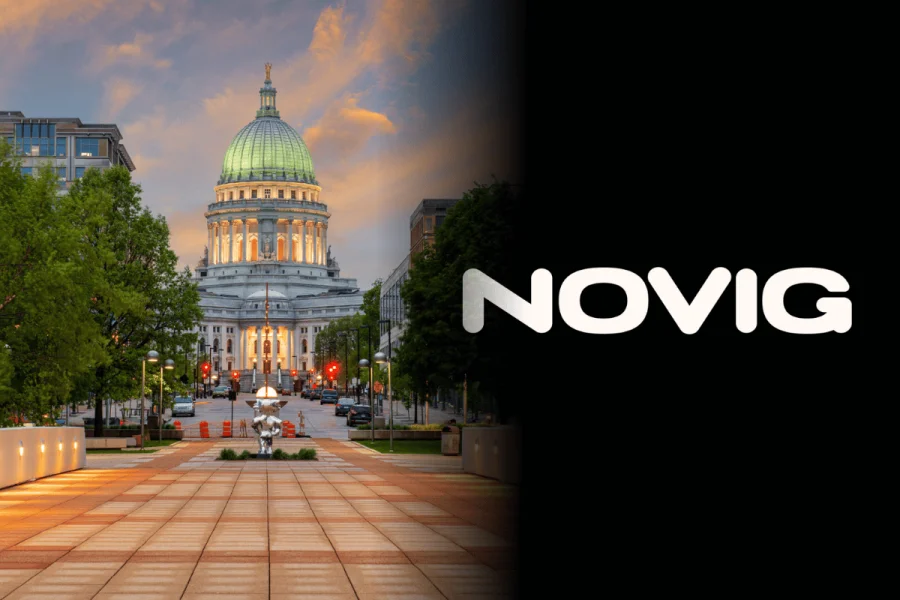
Novig has launched a federal lawsuit against Wisconsin officials, seeking to block the application of state gambling laws to its sports event contracts, which are available through the company’s federally regulated exchange.
Represented by Ludlow Exchange LLC, Novig initiated the case on August 14 in the federal court of Wisconsin’s Western District. Named as defendants are Attorney General Joshua Kaul and Division of Gaming administrator John Dillett, acting in their official capacities.
The core argument presented by Novig hinges on the assertion that federal commodities law grants exclusive regulatory authority to the Commodity Futures Trading Commission (CFTC) concerning these transactions, thereby preempting state regulation.
In its complaint, Novig noted that Wisconsin has aggressively targeted federally regulated event-contract trading, having already filed suits against companies like Kalshi, Polymarket, and Crypto.com for similar reasons. “Novig, having just secured its status as a Designated Contract Market (DCM) registered by the CFTC, brings this action to prevent Defendants from doing the same to Novig,” the company remarked.
Previously, on April 23, Wisconsin initiated civil actions against these companies, alleging that they were engaging in illegal gambling and contributing to a public nuisance. In a public statement, the attorney general expressed the need to “shut down these companies’ alleged facilitation of sports betting in Wisconsin.”
Federal Oversight vs. State Regulation
Founded in 2021, Novig aimed to create markets centered on sports events, leading to the establishment of Ludlow Exchange in October 2025, after pursuing federal designation as a contract market. The journey from a startup to a federally recognized entity illustrates the complexities of navigating the regulatory framework governing financial instruments and gaming, especially in a landscape where states have varying approaches to gambling laws.
On June 16, 2026, the CFTC granted Novig that federal status, enabling access to event contracts in Wisconsin just last week. This rollout is significant, following an expansion where Novig claims more than $6 billion in trading volume has been processed. It’s a strong indicator of Novig’s grip on this emerging market, yet the increasing regulatory pushback highlights a tension between federal and state authorities that could stifle growth.
Similar legal battles are ongoing elsewhere, with Novig filing cases against New York, Massachusetts, New Mexico, and Washington between August 5 and August 8, contending that federal commodities regulations override state gambling enforcement. This flurry of legal action emphasizes a crucial point: the battleground for sports betting isn't just about market presence, but about the control and scope of regulatory powers. If you're working in this space, the outcomes of these cases could reshape how sports betting operates across state lines.
In Wisconsin, however, the situation is compounded by recent judicial developments. On July 30, U.S. District Judge William C. Griesbach turned down a request from the CFTC to temporarily halt Wisconsin's actions against other prediction-market operators, as the judge found insufficient grounds for the federal regulator’s likelihood of success in the matter. This ruling sent a clear message: even federal regulators face limitations when challenging state law, which often reflects the local community's stance on gambling.
Despite the challenges, Novig maintains that its contracts qualify as federally regulated derivatives, emphasizing that these instruments can only be traded in accordance with federal regulations. “The event contracts Novig lists are extensively regulated under federal law, eligible to be traded only on federally registered exchanges,” the company stated, highlighting its strict compliance measures, which include minimum age requirements, trading limits, and thorough account screenings.
And this is the part most people overlook: the intricate balance between consumer protection and regulatory enforcement. Novig's safeguards may sound meticulous, but they also illustrate a larger narrative about who gets to determine the rules when it comes to digital markets and gambling.
Faced with Wisconsin's continued enforcement actions against its rivals, Novig believes seeking judicial relief is its only viable option. The lawsuit seeks a declaration that federal law preempts Wisconsin’s gambling regulations concerning its transactions and requests a preliminary injunction against the state's enforcement activities. If successful, this could set a precedent not just for Novig, but for all companies operating in federally regulated markets that face state-level challenges.
Implications and Future Outlook
The implications of this lawsuit extend beyond Wisconsin’s borders. Should Novig win, it might embolden other companies in similar positions to pursue federal protection against state regulations. This would potentially create a ripple effect, prompting states to rethink their approaches to gambling laws in the face of expanding federal authority.
However, the outcome remains uncertain. Courts historically tread cautiously when it comes to determined state policies, especially concerning public welfare issues like gambling. Anticipating the potential fallout, many stakeholders in the gambling industry will be watching closely. As states grapple with tighter budgets and competing interests in the gaming sector, the balance of power between state and federal law is at a crossroads.
This ongoing legal saga is more significant than it looks. It’s not just about Novig or Wisconsin—it's a pivotal moment in a broader discussion about regulation in a digitized economy and how we define the boundaries of state versus federal authority. The tech and finance sectors should be prepared for a shift, one that may redefine compliance and operational strategies across the board.
Discussion
Sign in to join the discussion.