TSMC is on track to ramp up its 2nm wafer production capacity to 100,000 monthly, driven by strong demand from major AI sectors.
Surge in Demand for Advanced Wafers
As the push for enhanced performance and reduced power consumption continues, TSMC is adapting its production capacity plans to accommodate the rising demand for 3nm and 2nm technologies. This shift is largely fueled by significant orders from industry titans like Nvidia, AMD, and Broadcom. The demand surge isn't just a fleeting trend; it's part of a broader shift in the semiconductor landscape. The tech industry is increasingly reliant on advanced chips for everything from artificial intelligence applications to high-performance computing, prompting manufacturers to invest heavily in next-generation fabrication technologies. If you're working in this space, you'll need to keep a close eye on TSMC's moves, as they often set the tone for the industry.
Year-End Production Goals
According to insights from Taiwan's Economic Daily News, TSMC anticipates hitting its target of producing 180,000 3nm wafers per month ahead of schedule, possibly by the fourth quarter of this year. This acceleration reflects the strong order momentum from key customers in the AI space. AI is not merely an additional focus; it’s reshaping the entire semiconductor production paradigm. Unlike traditional consumer electronics, the demands from AI applications require chips that are not only powerful but also energy-efficient, forcing manufacturers to innovate faster than ever.
TSMC's ability to scale production ahead of schedule speaks volumes about its operational capabilities, but it also raises the bar for its competitors. Companies like Samsung and GlobalFoundries will need to step up their game or risk falling behind. The implications here are significant: not just for TSMC, but for the ecosystem of suppliers and customers relying on these advanced chips to drive their innovations.
Investment in Advanced Fabrication
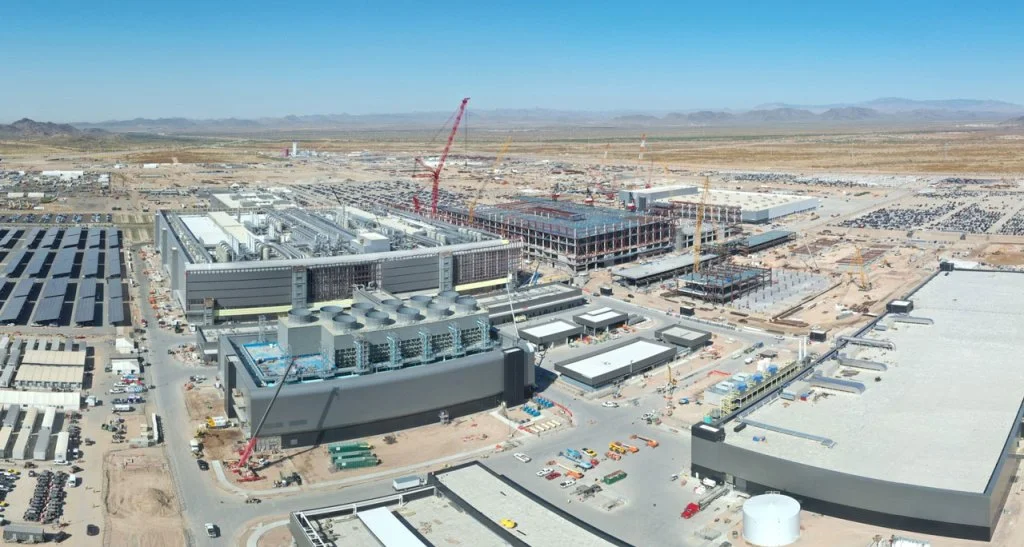
To support these production increases, TSMC has adjusted its capital expenditures for the year to between $60 billion and $64 billion, directing 70% to 80% of this budget toward advanced process technologies. This level of investment underscores a critical arms race in the semiconductor industry, where financial muscle translates directly into technological prowess. TSMC isn't just constructing new facilities; it’s laying groundwork for the future of computing. The company is actively constructing three new fabrication facilities for 3nm chips in Taiwan, Arizona, and Kumamoto, Japan, while also upgrading existing production lines to expand their 3nm output.
That said, TSMC's geographic expansion isn't merely a tactical play; it's a strategic necessity. Given the increasing geopolitical tensions surrounding semiconductor supply chains, especially between the U.S. and China, TSMC's investments in places like Arizona serve dual purposes: ensuring a stable supply for its American customers and mitigating risks associated with over-reliance on any single geographic area. (And this is the part most people overlook.) TSMC is not just manufacturing chips; it’s effectively shaping the geopolitical climate of technology innovation.
2nm Production Outlook
Looking ahead, TSMC's 2nm production is equally promising. The company is on track to produce nearly 100,000 wafers monthly by the year's end, aligning with their strategic roadmap and market demands. The 2nm nodes symbolize the cutting edge of semiconductor technology, allowing for even greater chip performance and efficiency. However, it’s essential to recognize that achieving 2nm fabrication is fraught with challenges—these include the complexities of materials science and the ongoing battle against quantum tunneling at smaller nodes.
The implications of this advancement aren’t confined to TSMC alone. As more devices incorporate advanced chips, think about your smartphone, your gaming console, even your smart appliances—these all hinge on the technology developed by foundries like TSMC. This technology impacts not just performance but also market prices, which could either climb due to scarcity or stabilize if supply can keep up with demand.
Implications for the Semiconductor Market
The rapid advancements in wafer technologies bear significant implications for the entire semiconductor industry. TSMC’s proactive steps to build fabrication facilities, coupled with its focus on pushing the limits of chip performance, signals a potential seismic shift in how other manufacturers will operate. Established players like Intel, and new entrants alike, will be challenged to innovate at a comparable pace, or they risk being left behind.
This drive toward smaller nodes means companies may increasingly need to form strategic partnerships to share the exorbitant costs associated with research and development. With TSMC solidifying its dominance, rival firms must rethink their approaches—there's pressure on their supply chains and product releases as they strive to keep pace.
No doubt, the road ahead is fraught with challenges, including managing production efficiency, addressing environmental concerns related to semiconductor manufacturing, and navigating trade policies. You could say it’s a high-stakes balancing act that only the most agile will succeed in. What this means for you in the technology space is simple: adapt or get left behind.
Discussion
Sign in to join the discussion.