Xiaohongshu's recent World Cup livestream initiative achieved impressive user engagement, positioning the platform for a future in long-form content.
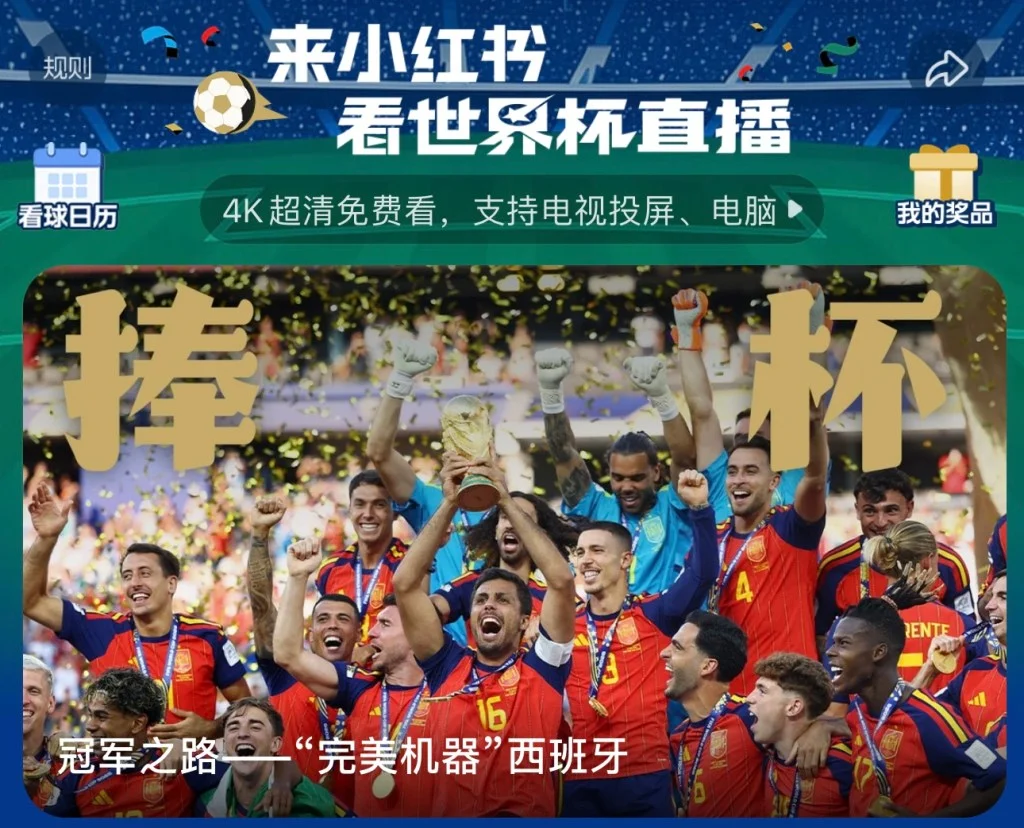
As the FIFA World Cup concluded, Xiaohongshu's debut in premium sports broadcasting marked a pivotal moment in its strategy to explore long-form video and livestreaming. Over the 39 days and 104 matches, the platform tested its capabilities, and the results indicate significant shifts in user engagement.
The Surge of Football-Related Content
The tournament catalyzed a surge in football-related searches, tripling compared to the last World Cup, highlighting a growing interest in sport-driven content within the Xiaohongshu community. This uptick isn't just about numbers; it reflects a cultural trend where social media platforms are becoming the go-to destinations for sporting discussions. According to the platform, user engagement metrics soared during the event, with time spent on the app doubling month-over-month in July, which illustrates how significant sporting events can drive traffic on platforms not traditionally associated with live sports.
Notably, some match livestreams saw average viewing times exceeding 52 minutes, suggesting users are willing to invest time in longer content. This is more significant than it looks; it indicates a shifting consumer behavior where audiences are no longer satisfied with brief highlights. They crave deeper engagement, whether it's analysis or social interaction around games.
User Engagement and Community Dynamics
Initially confronted with skepticism regarding its ability to leverage the World Cup's audience, Xiaohongshu reported an impressive increase in football-related posts, which were 27 times higher than those during the opening of the 2022 Qatar World Cup. This surge is noteworthy because it signifies not just an influx of posts but a broader conversation about football within the app's ecosystem. This engagement extended to 1,390 football-centric communities, amassing over 10 million participants. Some discussions became lively, drawing thousands of comments almost instantly after matches. This immediacy highlights an emerging trend in social media, where the ability to interact in real-time can significantly enhance user experience.
What sets Xiaohongshu apart is its approach of integrating community-driven content with professional analysis. The platform featured contributions from former football players and commentators like Fan Zhiyi and Xie Hui, alongside user-generated content that extended discussions beyond match scores. Users shared insights into football culture, including fashion, match preparations, and even skincare tips for late-night viewing, creating a rich tapestry of interaction around the sport. This blend of professional insight and user-generated content caters to a broad audience, enhancing engagement.
Shifting Demographics
Demographically, the tournament shifted Xiaohongshu's user base, as around 60% of livestream viewers during the group stages were male, rising to about 80% in the knockout rounds. This shift demonstrates the platform's ability to attract a new audience segment, which is vital for its ongoing growth. This influx of new users, many attracted by the World Cup, suggests a broader appeal, with some exploring diverse communities such as motorcycles and consumer electronics on the platform. If you're working in this space, this demographic shift could signal new opportunities for brands and advertisers looking to engage a more diverse audience.
Challenges Ahead
However, converting this event-driven traffic into sustained engagement remains a challenge. The post-World Cup reality often leads to a drop in engagement as the immediate excitement fades. In response to the heightened interest in football, Xiaohongshu is introducing content from 12 local leagues, including the Shanghai Street Super League and Jiangsu Super League, to maintain this momentum. This move appears strategic, yet it’s uncertain whether these additions will retain the influx of users or simply serve as a temporary distraction.
Implications and Future Outlook
The World Cup served as a significant experiment for Xiaohongshu, demonstrating its capability to host extended livestreams while expanding its content offerings and user demographics. The pivotal question moving forward is whether this blend of livestreaming, community engagement, and diverse content can foster long-term user retention. Given the sporadic nature of sports events, platforms often face an uphill battle in maintaining engagement outside of major tournaments.
There’s a distinct risk that, after the fervor of the World Cup subsides, users may drift away. While engaging new audiences is an achievement, retaining them is an entirely different challenge. (And this is the part most people overlook.) Xiaohongshu's strategies to diversify content beyond football will likely be tested in the coming months. Their success or failure in this endeavor may well define their future in long-form content.
In summary, the FIFA World Cup not only provided a lucrative testing ground for Xiaohongshu but also a clear indication of the platform's potential role in premium sports broadcasting. The next steps will be critical — can they translate this initial interest into a sustained user base? The stakes are significant, and the answers will likely shape the future direction of sports content on social media platforms.
Discussion
Sign in to join the discussion.