XPeng's MONA L03 SUV debuted in Munich, marking a pivotal step in its global strategy, with features and pricing aimed at European consumers.
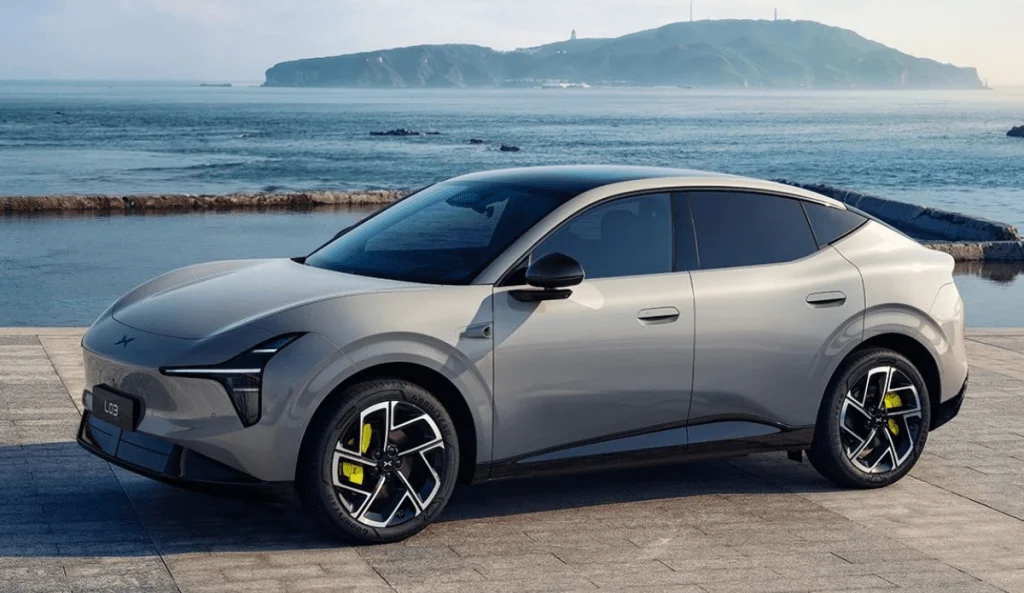
XPeng has officially launched the MONA L03 smart SUV at a global event in Munich, positioning itself to capture a share of the European electric SUV market. This model represents a significant strategic shift for XPeng, as it’s the first vehicle the company has introduced worldwide, skipping the traditional China-first rollout.
Strategic Launch in Munich
Launching in Munich—a central hub for the automotive industry—highlights XPeng's intent to challenge established global car manufacturers directly. Europe's automotive scene is unparalleled in its depth, with legacy brands competing fiercely with newer entrants. XPeng's choice of location underscores not just ambition but also recognition of the European market's importance in the EV sector. The MONA L03 will be available in 65 markets, including key territories like China and Europe, marking a pivotal moment for the brand as it seeks to facilitate global expansion.
Pricing Strategy
In China, the MONA L03 is priced starting at RMB 123,800 (approximately $18,280), with both battery-electric (BEV) and extended-range electric vehicle (EREV) configurations available. European pricing begins at €35,600 ($40,720) for the BEV and €38,600 ($44,150) for the EREV. This pricing strategy is especially notable as it places the MONA L03 within a competitive segment of the electric SUV market, where consumers seek balance between affordability and features. As the market trends toward budget-friendly options, XPeng is clearly trying to appeal to a broad demographic.
Efficiency and Performance
Focusing on efficiency, the all-electric MONA L03 boasts a range of up to 650 km based on the China Light-Duty Vehicle Test Cycle (CLTC), while consuming as little as 11.5 kWh per 100 km. For those considering an EREV variant, it features a 325 km range on electric power alone and an impressive total range of 1,380 km when utilizing its generator mode, recording fuel consumption of 4.96 liters per 100 km. This combination of performance and efficiency will likely appeal to environmentally conscious consumers. (and this is the part most people overlook) Many EV buyers are swayed not just by price, but the full lifecycle cost associated with range and energy consumption.
Advanced Technology Integration
At the heart of the MONA L03's capabilities is XPeng's proprietary Turing AI chip, with variants delivering between 750 and 1,500 TOPS of computing power. This level of performance is indicative of XPeng's ambition to push the envelope in advanced automotive technologies. The vehicle uses a singular autonomous driving foundation model designed to adapt to diverse road conditions, including those found throughout Europe. XPeng's future plans include introducing localized Navigation Guided Pilot functions across its global markets starting in 2027, showcasing a forward-thinking approach to autonomous driving that accounts for varying regional requirements.
User Experience and Interior Quality
The MONA L03 features XPeng’s latest XOS 6 operating system, which supports multilingual voice commands in languages like English and German and is designed to recognize natural speech patterns. This is a sophisticated approach, addressing the diversity of European travelers who value integrated technology that feels intuitive. Inside, the cabin boasts a 26.8-inch wide head-up display, a 20-speaker AI sound system, and enhanced comfort features such as a zero-gravity front passenger seat. These elements are not just about aesthetics; they reflect a shift in consumer expectations where personal comfort and experience are paramount.
Design and Safety Innovations
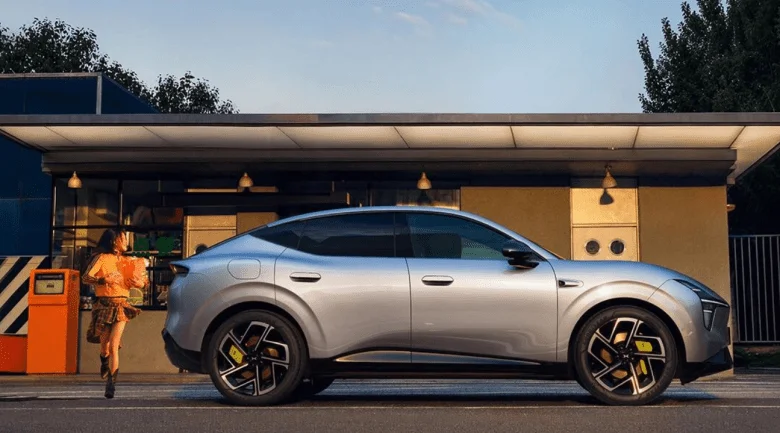
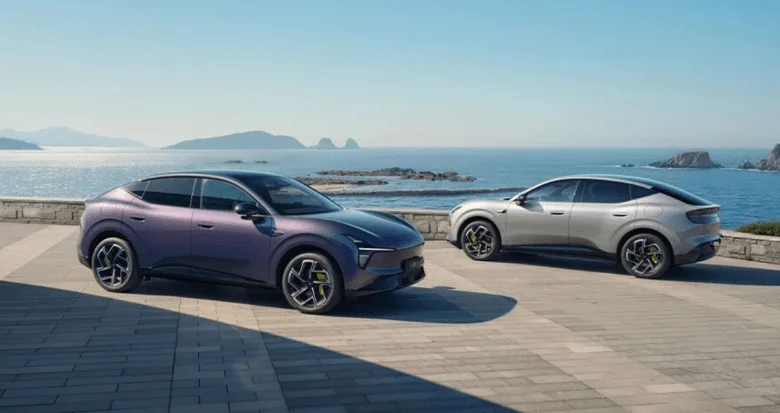
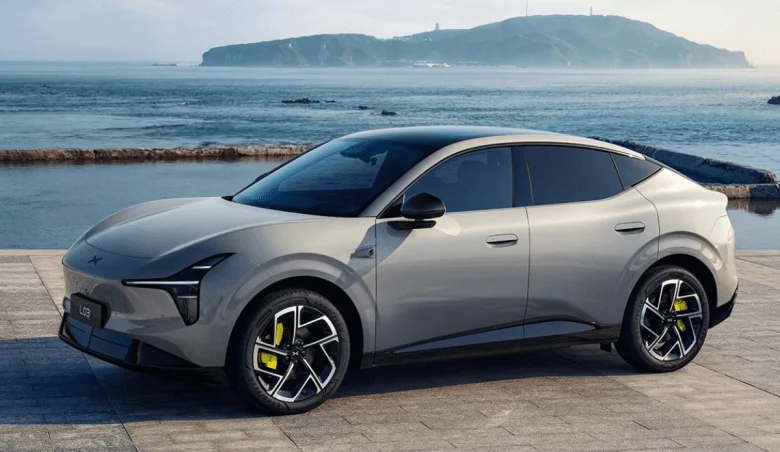
Designed by former Ferrari stylist Juanma López, the vehicle incorporates XPeng’s Vital Flow design with an aerodynamic drag coefficient of 0.228 Cd. Aesthetic appeal and functionality must go hand in hand, especially in a market already saturated with visually striking competitors. Additional safety features include a tire blowout stabilization system and assistance for driver incapacitation—features that may prove advantageous in a market increasingly focused on driver and passenger safety.
Strategic Goals and Infrastructure Expansion
This launch corresponds with XPeng's broader ambitions, as they enhance their presence in Europe through investments in R&D facilities in Munich and collaborations with local suppliers like Magna for production. This move demonstrates not only a commitment to quality but a desire for a more localized supply chain—a strategy that can often yield better adaptability to market demands. Moreover, XPeng aims to establish over 4,000 ultra-fast charging stations throughout Europe by 2028, reinforcing its infrastructure strategy. This level of investment in charging capabilities signals a serious approach to addressing one of the most significant challenges facing electric vehicle adoption today.
Future Outlook and Market Implications
The MONA L03 is more than just another SUV for XPeng; it’s a milestone in its goal for global market integration. By choosing Germany for the launch and introducing the model in multiple countries simultaneously, XPeng aims to solidify its foothold in overseas markets. Yet, as competition intensifies in Europe, where established brands and new entrants alike vie for consumers' attention, the company’s ability to convert this launch into lasting sales momentum is uncertain at best. If you're working in this space, it's crucial to watch how XPeng navigates this competitive landscape. The upcoming months will be telling—not only for the success of the MONA L03 but also for XPeng's broader strategy of becoming a global player in the automotive industry.
Discussion
Sign in to join the discussion.