SenseTime has open-sourced SenseNova-Vision, a unified AI model for diverse vision tasks, enhancing versatility in image processing applications.
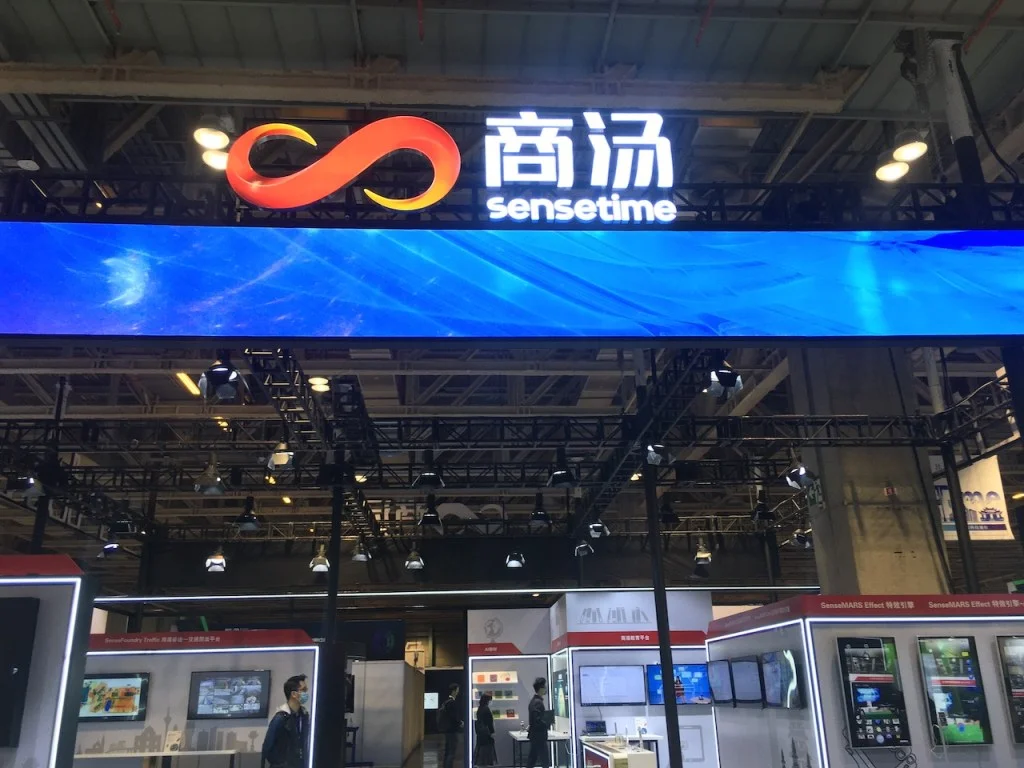
Introduction to SenseNova-Vision
SenseTime has rolled out the open-source version of SenseNova-Vision, part of its comprehensive SenseNova foundation-model suite. This model is crafted to unify various vision tasks, including object detection, optical character recognition, keypoint localization, and image segmentation, all under one framework rather than relying on multiple specialized models. By consolidating these tasks, SenseNova-Vision aims to reduce the complexity and overhead often associated with deploying multiple models for different applications. In a field where deployment speed can dictate success, this unification is a strategic necessity.
The Landscape of Vision AI
The rise of AI has compelled significant advancements in computer vision technologies, influencing diverse sectors from healthcare to retail and manufacturing. It's not just about seeing; it's about interpreting vast amounts of visual data swiftly and accurately. Businesses increasingly rely on automated systems to enhance efficiency and decision-making processes. Whether in monitoring manufacturing lines or identifying anomalies in medical imaging, each application could demand a unique model previously, leading to inefficiencies and resource wastage.
Competitive solutions abound, ranging from Google's TensorFlow models to Microsoft's Azure Cognitive Services, which also offer such capabilities concentrated under a single umbrella. This context makes SenseTime’s approach particularly interesting. The need for an all-in-one model has never been clearer as organizations hesitate to implement cumbersome systems that silo functionalities. They've often looked for seamless integration to avoid operational bottlenecks. SenseNova-Vision promises to address that gap.
Capabilities and Features
The integrated model streamlines processes by supporting dense geometric predictions such as surface-normal estimation, and it also accommodates multi-view 3D tasks like point-cloud reconstruction and camera-pose estimation. This versatility is attractive to developers and researchers who need tools that can adapt to multiple use cases without extensive retraining or adjusting. The design suggests a deep understanding of the key challenges in deploying vision models across industries—flexibility being a primary concern.
Moreover, its ability to process multi-dimensional data could open new possibilities for applications in augmented reality and autonomous vehicles, where understanding spatial relationships is paramount. Imagine a security surveillance system not just detecting motion but also interpreting the shape, trajectory, and potentially even intentions—this is where SenseNova-Vision could lead.
In conjunction with this release, SenseTime has introduced the SenseNova-Vision Corpus-50M, a dataset comprising 50 million visual samples, aimed at enriching AI training possibilities. This dataset adds significant value, as high-quality training data is often a bottleneck in building effective AI models. The sheer volume and diversity of the Corpus-50M enhance the depth of learning that can occur, allowing models to generalize better beyond their training scenarios. That said, creating such datasets comes with its own set of challenges, including data bias and ethical considerations surrounding data privacy.
Future Integrations
Plans to incorporate SenseNova-Vision within the SenseNova U-series signal a strategic move towards enhancing the practical applications of AI in various fields. This integration could be more than just a technical enhancement; it represents a shift in how AI can be applied across sectors that require real-time analysis and action based on visual input. While some companies might still be working on individual applications, SenseTime is banking on the idea that a holistic, integrated approach will win out in the long run.
If you're working in this space, the potential seen here is significant. Embedded vision could become standard fare in many applications, pushing the limits of what machines can interpret from their environment while also paving the way for new use cases we may not yet fully understand. The customer-facing implications are vast: tailored experiences in retail advertising, enhanced safety in construction sites, and even better diagnostic tools in healthcare.
Market Implications
The introduction of SenseNova-Vision is indicative of a broader trend in the AI field that favors open-source frameworks. This shift towards open-source methodologies can lead to faster innovation cycles, as shared resources promote collaboration among researchers and developers alike. When multiple entities can contribute to, modify, and extend a foundational model like SenseNova-Vision, the potential for advancements grows exponentially.
However, this openness raises questions about commercialization and sustainability. Companies need to balance the benefits of open collaboration with the need to protect their intellectual property and foster revenue-generating strategies. That’s something many in the AI community grapple with regularly. There's also a practical concern: as more organizations adopt these powerful tools, the risk of misuse increases, whether for creating deepfakes or invasive surveillance systems.
Looking Ahead
The implications of SenseNova-Vision stretch beyond immediate functionalities and potential revenue. They touch on how AI will be integrated into everyday life. As these models become increasingly sophisticated and widely adopted, society must engage with questions about ethics, privacy, and security. What this means for you is that the conversation around AI isn’t just technical; it’s philosophical. How do we want to employ these tools? That's something that will require collective deliberation as the technology advances.
In a nutshell, SenseNova-Vision isn’t just another entry in the AI toolkit; it symbolizes a pivotal shift towards more integrated, efficient, and versatile model deployment in the vision sector. The landscape is ripe for rapid evolution—stay tuned.
Discussion
Sign in to join the discussion.