DJI launches the AP100 Parachute, designed for Matrice 400 drones, enhancing safety with rapid deployment and real-time monitoring features.
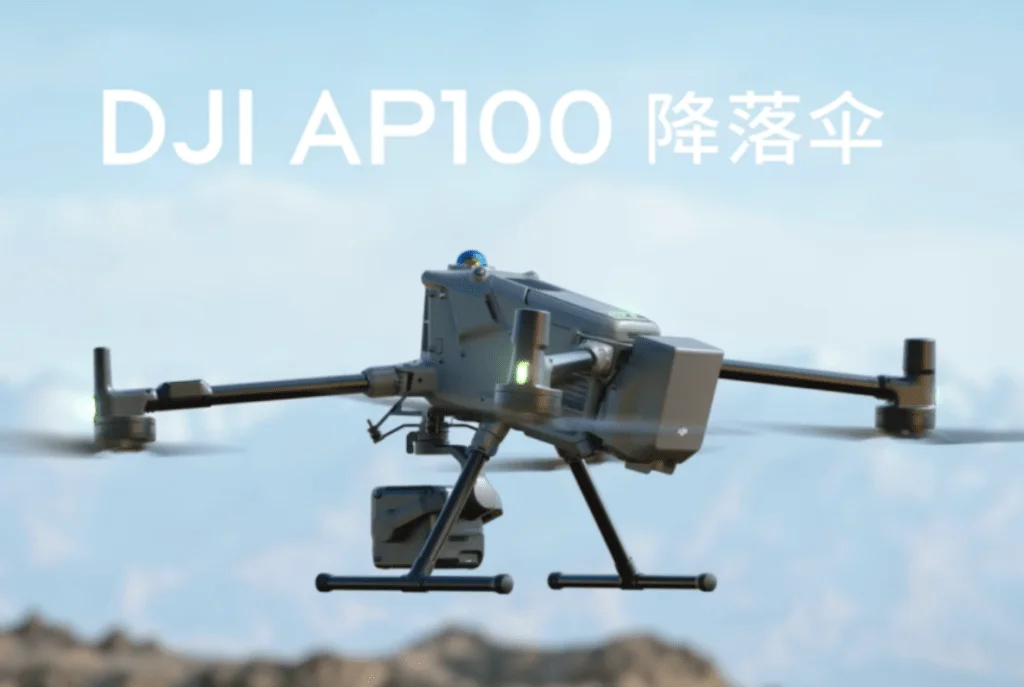
Overview of the AP100 Parachute System
DJI has unveiled the AP100 Parachute, marking its entry into parachute systems tailored for enterprise drones. This system is specifically designed for the Matrice 400, which is already a popular choice among professionals in industries such as filmmaking, agriculture, and inspections. Priced at about 7,488 yuan (approximately $1,100), the AP100 is available only through authorized distributors. This pricing strategy positions the product in a competitive tier—one that suggests DJI is aiming to deliver high-value features to a professional audience that prioritizes safety and reliability above all else.
Technical Specifications
Weighing around 935 grams, the AP100 boasts an IP55 protection rating, making it resistant to dust and low-pressure water jets. This is significant, given the varied environments drones are often operated in—from damp agricultural fields to dusty construction sites. Operability in a temperature range from -20°C to 50°C further solidifies its versatility in different climates. The dual deployment options, both automatic and manual, add a layer of flexibility, allowing operators to respond to diverse operational scenarios. For professional users, these specifications are essential; they encapsulate the ruggedness and reliability increasingly expected in the drone industry.
Performance and Safety Features
The AP100 can halt the drone’s propellers and deploy the parachute in just 600 milliseconds. This swift action is particularly noteworthy because it effectively slows descent to under 5 meters per second—an outcome significantly better than many existing systems. Quick deployment has both operational and safety implications. For example, in high-stakes environments like emergency response or infrastructure inspection, every second counts. The capability for real-time status monitoring through the Health Management System (HMS) integrated within DJI Pilot 2 enhances user confidence, giving operators vital information about the gas generator and communication links. Regularly monitoring these components could mean the difference between safe landings and catastrophic failures. This is more significant than it looks.
Deployment and Alerts
Upon triggering deployment, an independent Flight Termination System (FTS) disconnects power from the motors. This mechanism is critical: it helps prevent parachute lines from entangling with the drone's propellers. The dual protection strategy enhances both operational integrity and user safety, reflecting a thoughtful approach to drone design. Once the parachute is deployed, an audible and visual alarm sounds for about one hour. This feature not only aids in danger awareness but also assists operators in retrieving the drone post-landing, which can be especially useful in remote or challenging locations. The alarm's persistence for a full hour emphasizes a commitment to safety—a considerable advantage in an industry where the stakes can be high.
Market Implications and User Considerations
The introduction of the AP100 highlights a growing trend among drone manufacturers to incorporate safety mechanisms that address the unique challenges of aerial operations, especially in professional settings. If you're working in this space, you'll appreciate how essential parachute systems can mitigate risks associated with remote operations. As enterprise drones continue to proliferate, safety frameworks become more critical, particularly for industries that face regulatory scrutiny. Companies seeking to comply with stricter safety standards may find the addition of a parachute system not just beneficial but necessary.
Future Outlook: Safety and Regulatory Evolution
Looking ahead, the AP100 may very well represent a pivot point for drone safety regulations. As the drone market expands, countries around the world are grappling with questions of accountability and safety in the skies. Similar systems typically emerge in response to growing demands from regulatory bodies for improved safety features, suggesting that the AP100 could stand as a model for future systems. The emphasis on real-time monitoring and immediate emergency response mechanisms could very well influence future legislation governing drone operations.
In the professional realm, the acceptance of such parachute systems could drive new standards for drone design, pushing other manufacturers to adapt. As the technology matures and becomes more mainstream, the competitive edge that DJI currently holds with the AP100 could narrow, and alternatives may emerge. That said, the ongoing innovation in drone safety is a positive trend, one that may ultimately benefit users and reassure regulators. After all, safety isn't just an added feature—it's what will help establish drones as trustworthy tools across various applications.
In summary, while the AP100 is a solid addition to DJI’s product portfolio, its impact extends beyond mere specifications. It’s a reflection of an industry in flux, one that's increasingly prioritizing safety and operational efficiency. Future developments in this area will likely carve out new pathways for how drones are used, monitored, and regulated, setting new benchmarks for what can be expected from drone technology.
Discussion
Sign in to join the discussion.