Tencent's Just Dance: Party brings the beloved dance franchise to mobile, featuring AI body tracking and an extensive free music library.
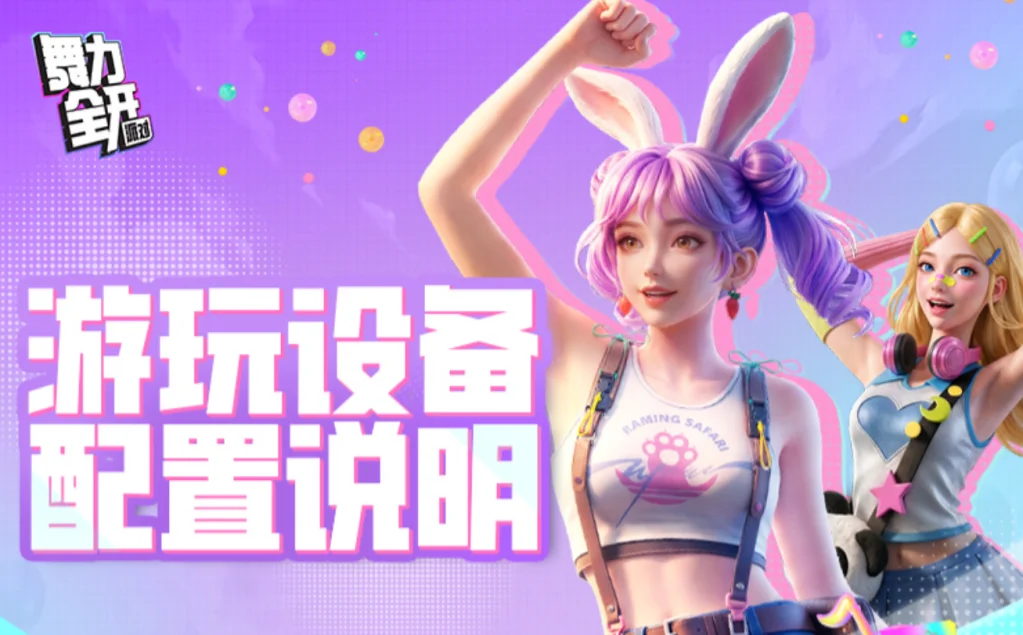
Launch of Just Dance: Party
Tencent has rolled out Just Dance: Party, a mobile rhythm game that harnesses Ubisoft's iconic Just Dance brand. Available on iOS, Android, and HarmonyOS platforms, this title offers a fresh approach to mobile gameplay. By tapping into the popularity of mobile games, Tencent is entering a competitive market that thrives on quick engagement and accessibility. In a sector dominated by casual games, Just Dance: Party aims to attract both fans of the franchise and new players who might be exploring the genre for the first time.
The Competitive Mobile Game Market
The mobile gaming market has seen meteoric growth, with reports showing it has overtaken console and PC gaming in revenue generation. Players are moving towards titles that can be enjoyed in short bursts, making rhythm games a perfect fit. While Just Dance has been a staple in living rooms for years, going mobile opens up entirely new avenues for interaction. Brands that have adapted their franchises to mobile formats have often reaped the rewards, and Tencent seems poised to follow suit.
AI-Enhanced Motion Capture
What sets Just Dance: Party apart is its advanced AI-driven skeletal tracking system. This innovation allows players to enjoy full-body motion capture using just their smartphone's front camera, eliminating the need for extra equipment like dance mats or dedicated controllers. This kind of technology not only enhances user experience but also lowers the barrier to entry for potential players who may be turned off by the complexity of traditional gaming setups.
Motion capture technology isn’t new, but its application in mobile gaming represents a significant shift. Traditional rhythm games require players to invest in flashy peripherals such as dance mats or specialized controllers. By removing this requirement, Tencent is catering to a broader audience. Players can simply grab their phones and jump right into the fun, making it an appealing option at social gatherings or casual get-togethers. That said, the success of such a system hinges on accuracy; if the capture technology falls short, players might become frustrated, affecting long-term engagement.
Enhancing the Experience with TV Casting
For those looking to enhance their experience, the game supports casting to televisions, facilitating a spacious dance environment. This feature will likely be appreciated by those who want a more immersive experience, as it transforms their living room into a dance floor. Imagine pulling out your phone with friends at a party, casting it to the TV, and enjoying a full-body dance session. (and this is the part most people overlook) The social aspect of mobile gaming often drives its popularity. By integrating this casting feature, Tencent not only fosters a fun atmosphere but also leverages the inherently social nature of rhythm games.
Dynamic Music Library
True to the franchise's roots, Just Dance: Party features a diverse music library that includes Mandopop, K-pop, Western chart-toppers, and trending online songs. Players can access all tracks at no cost, with regular updates promised to keep the playlist fresh and engaging. The importance of a diverse music catalog cannot be understated; it keeps players returning to the game, eager to try their hand at the latest hits.
Target Audience and Engagement
The breadth of music options is particularly strategic. Younger audiences, especially those who appreciate K-pop or viral TikTok hits, are likely to be drawn in. Just Dance: Party aims to engage a multi-generational crowd, from nostalgic gamers reliving their youth to newcomers eager to get involved in rhythm gaming. By tapping into global trends, Tencent might not just be enhancing its gameplay but also aligning itself with young culture. However, targeting such a wide array of musical tastes comes with its own challenges. What resonates with one segment may fall flat with another, leading to the kind of fragmentation that games of this ilk often struggle with. If you're working in this space, you'll want to pay attention to how new tracks perform within the player community.
Implications and Future Outlook
The launch of Just Dance: Party signals a shift in how established gaming franchises might evolve in the mobile space. Traditional gameplay mechanics are increasingly blending with mobile capabilities, creating a more accessible format that doesn’t compromise on engagement. The implications for future products could be profound. If Tencent succeeds, expect to see more game developers considering AI-driven motion capture for their titles, potentially democratizing the gaming experience.
But let’s not get ahead of ourselves. While the potential is vast, it’s one thing to launch a game and another entirely to sustain interest over time. With the mobile market's rapid turnover, keeping a finger on the pulse of music trends will be essential. Regular content updates, coupled with a steady stream of user feedback, will likely dictate the longevity of Just Dance: Party.
Conclusion
Tencent's venture into mobile rhythm games with Just Dance: Party presents opportunities not just for monetization but also for redefining user engagement. The incorporation of motion capture, combined with an accessible model and a broad music selection, sets the stage for a strong player community. However, sustaining that interest will be an ongoing challenge. The dance may have just begun, but keeping the rhythm in the long run will require a commitment to innovation and responsiveness to players' needs.
Discussion
Sign in to join the discussion.