Xiaomi's new smart storage device, featuring a powerful quad-core processor and 16TB capacity, raises over 30,000 orders on its first day of crowdfunding.
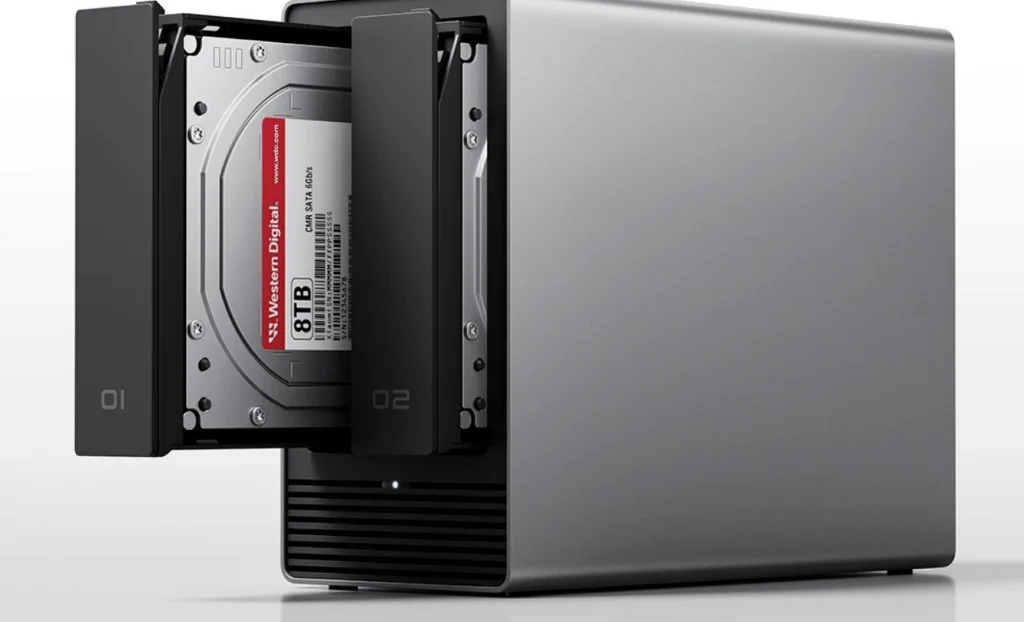
Xiaomi's Smart Storage Device Introduction
Xiaomi has taken a significant step into the home data storage sector by launching a smart storage device on the Xiaomi Youpin crowdfunding platform. This new offering is backed by a powerful quad-core processor and provides an impressive storage capacity of up to 16TB. In an age where data has become the lifeblood of both households and businesses alike, Xiaomi aims to address the growing demand for efficient and robust home data storage solutions. With so many devices generating vast amounts of data—from security cameras to smart home gadgets—the need for reliable storage has never been more pressing.
Key Features and Usability
The device supports seamless automatic backup from various connected devices, along with the ability to access files remotely. Users can also enjoy real-time transcoding and streaming of 4K videos. Notably, Xiaomi's storage solution simplifies the setup process, requiring just a QR code scan for integration with the Mi Home ecosystem, eliminating the complexities often associated with traditional NAS systems. This ease of integration caters to a trend where convenience often drives purchasing decisions, especially among less tech-savvy consumers. It shows Xiaomi's awareness of consumer pain points and its effort to provide a user-friendly interface that demystifies technology.
Another important aspect is its capability for real-time transcoding, which allows files to be converted into a format suitable for various devices on-the-fly. This is especially significant for families that enjoy consuming media across different platforms. Imagine trying to cast a high-resolution video from a storage device to several screens within your home—doing this effectively requires not just storage space but also processing power. Xiaomi’s offering seems well-equipped for these demands.
(and this is the part most people overlook) Many users often experience latency or performance issues when dealing with large file transfers. By incorporating a robust quad-core processor, this device looks set to minimize those frustrations. While some might argue that it’s just another storage device in a saturated market, Xiaomi’s approach to streamlining the user experience could set it apart.
Successful Crowdfunding Launch
Upon its launch, the crowdfunding campaign saw impressive engagement, with over 30,000 orders placed within just the first hour. This strong response highlights consumer interest in Xiaomi's foray into data management technology. Crowdfunding has become an increasingly popular way for tech companies to gauge interest and secure funding for new projects, but the sheer volume of initial orders raises questions: is there a latent demand for home storage solutions that had previously gone unaddressed?
In comparing this launch to past crowdfunding campaigns by other tech firms, we see a pattern where consumer appetite for tech gadgets consistently fuels success in these ventures. For instance, campaigns for similar devices, such as home NAS systems or smart home hubs, often feature complex user setups that can deter potential buyers. Xiaomi's straightforward approach and strong community connection appear to have effectively circumvented this issue.
This kind of enthusiasm from both early backers and tech enthusiasts suggests a potential shift in the home tech market. If Xiaomi can maintain high manufacturing quality and excellent customer support, it could redefine the way consumers perceive personal data management. They not only sold a product but created an ecosystem that addresses user needs.
Implications for the Industry
The introduction of Xiaomi’s smart storage device comes at a time when the industry is witnessing a convergence of multiple technologies, including cloud storage, smart home systems, and mobile connectivity. What this means for you, whether you're a consumer or a competitor, is that the barriers separating home entertainment, data management, and smart home devices are increasingly diminishing. For consumers, this could lead to more integrated solutions that simplify life; for competitors, it raises the stakes in innovation.
Xiaomi’s move may signal an intent to dominate not just data storage but the broader smart home ecosystem. As companies race to provide comprehensive solutions, we may start to see partnerships or mergers that bring together various tech capabilities into single, multifunctional devices. Is this a savvy strategy or overreach? Time will tell, but the stakes are high, and companies that fail to adapt may quickly fall behind.
That said, skepticism remains. The tech world is littered with products that promised to simplify life but ended up complicating it further. Will Xiaomi's device live up to the hype? Early adopters and tech enthusiasts will likely scrutinize its actual performance against the impressive feature set highlighted in marketing. If it delivers as promised, expect to see a wave of similar devices flooding the market.
As consumer preferences continue to trend towards ease of use and integration, Xiaomi's offering might just signal the beginning of a new standard in home data management. Keep an eye on consumer feedback and subsequent iterations of the device. They’ll reveal whether this trend holds true.
Discussion
Sign in to join the discussion.