ECARX's $266 million acquisition of Flyme raises questions about the future of third-party automotive software amid shifting industry trends.
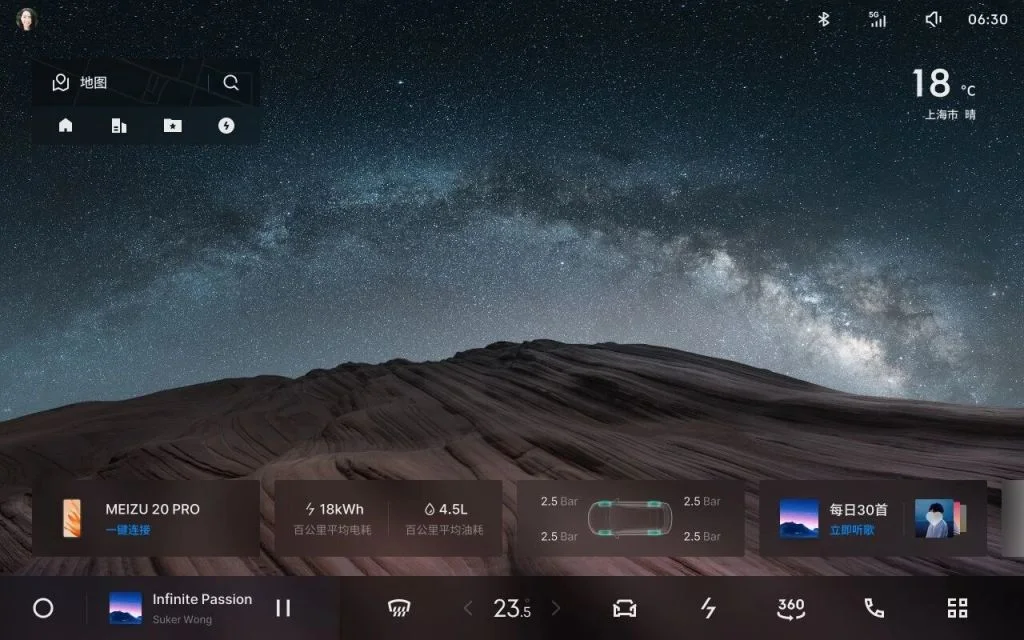
ECARX has made headlines with its recent announcement of acquiring Flyme’s software business from Xingji Meizu for a notable RMB 1.8 billion ($266 million). This deal, formalized through Hubei Qiguang Technology—an entity spun off from Xingji Meizu—encompasses the Flyme Auto smart cockpit operating system, Flyme OS for multiple devices, as well as associated intellectual property, research teams, and existing contracts with automakers.
Context of the Acquisition
This acquisition marks a significant step in the tech and automotive intersection where software development is increasingly seen as vital to vehicle performance and customer experience. For ECARX, a company focused on intelligent mobility solutions, snapping up Flyme's assets indicates a strategic pivot toward automation and AI-enhanced automotive software. ECARX has positioned itself as a challenger in the automotive tech space, aiming to usher in a new era of smarter vehicles. Yet, such ambitions don't come without hurdles, particularly given the current competitive landscape where traditional automakers are shifting toward in-house technology solutions.
With Flyme Auto already in over two million vehicles, the price tag isn’t small. It underscores the value placed on digital user experiences in modern vehicles and the growing importance of software such as smart cockpit systems. However, it's crucial to understand that while the software business reportedly reached profitability, the dynamics within the automotive sector are shifting. Today, many automakers are looking to internal capabilities to develop proprietary systems rather than relying heavily on third-party providers. This trend could jeopardize the negotiating power and market presence of firms like ECARX that offer independent cockpit systems.
Reactions from Leadership
Shen Ziyu, CEO of ECARX, views this acquisition as integral to the company’s AI Agent strategy, positioning it as part of a larger vision for integrating advanced AI into automotive technology. Yet, Shen’s optimism may overshadow pressing concerns around Flyme’s heavy reliance on brands linked to Geely, a major player in the automotive market. Such dependency raises alarm bells about market concentration and could impact the long-term viability of the software in a rapidly changing automotive landscape. Will ECARX find itself overly tethered to a few brands, limiting its broader growth potential?
Financial Scrutiny and Investment Risks
Structurally, the deal prompts scrutiny. According to filings with the SEC, approximately 70% of the acquisition will be funded through a 10-year syndicated loan, while ECARX will cover the remaining 30%. This approach illustrates a significant financial commitment, but also introduces a layer of risk—particularly given the uncertain standalone earnings potential of Flyme. If the software fails to generate robust revenues, ECARX may find itself in a precarious financial situation, struggling to meet the obligations of its loan amidst the pressures of the marketplace.
In a somewhat concerning portrait of financial health, ECARX hasn’t emerged from its fiscal challenges yet; it recorded a narrower net loss in 2025 but continues to seek profitability. This fact alone raises the stakes around this acquisition. The company not only needs Flyme to succeed but also to show it can navigate its own financial landscape effectively.
To further bolster the Flyme operations, ECARX plans to inject an additional RMB 200 million ($29.5 million) into the business post-acquisition. However, this supplementary investment also raises questions. Is this a sign of confidence, or merely an acknowledgment of the operational costs associated with scaling the software to compete in the broader market?
Investor Skepticism
Investor reaction was lukewarm, with shares dropping roughly 4% following the announcement. This dip indicates plants more than just initial disappointment; it reflects skepticism regarding ECARX's foray into software and the efficacy of its strategy. Concerns over data ownership further cast a shadow. The company's commitment to allowing Meizu to retain data ownership raises alarms about potential limitations on Flyme's future development capabilities once the integration process begins. What this means for you, especially if you’re working in this sector, is that you’ll need to keep an eye on how this dynamic evolves—especially regarding updates and future innovations.
Once a contender among China’s leading Android-based operating systems alongside Xiaomi’s MIUI and Huawei’s EMUI, Flyme is now transitioning from independent operations through this acquisition. This transformation signals a paradigm shift, not merely in operational control but in the perception of third-party software providers in the automotive arena. ECARX is not just purchasing software; it’s making a significant bet on the sustainability of third-party automotive operating systems moving forward. The implications are profound; with every bold move, stakes get higher.
Implications and Future Outlook
The significance of the ECARX and Flyme acquisition extends beyond mere strategy; it highlights a wider trend where smaller software providers might face increasing pressure from major automakers opting for self-sufficient technological ecosystems. In a world where vehicle connectivity and smart capabilities drive purchasing decisions, third-party tech solutions could find themselves either flourishing as unique differentiators or faltering due to a lack of relevance or support. And yet, while transforming Flyme could present new opportunities, the reality is stark—this market segment is fraught with challenges.
What’s clear is that the road ahead isn't smooth for ECARX or Flyme. Securing new partnerships, fostering innovation, and ensuring that Flyme maintains its integrity and relevance amidst competition will be critical. As automakers invest heavily in proprietary systems, the future sustainability of independent solutions like Flyme remains in question. So, what’s the takeaway? Here's the thing: ECARX must maneuver carefully to not only integrate Flyme but also ensure it adapts to the shifting expectations of the automotive tech ecosystem. The stakes are higher than they appear.
Discussion
Sign in to join the discussion.