Alibaba is looking to sell its gaming unit, Lingxi Games, with a price tag between $1.03 billion and $1.33 billion to optimize its assets.
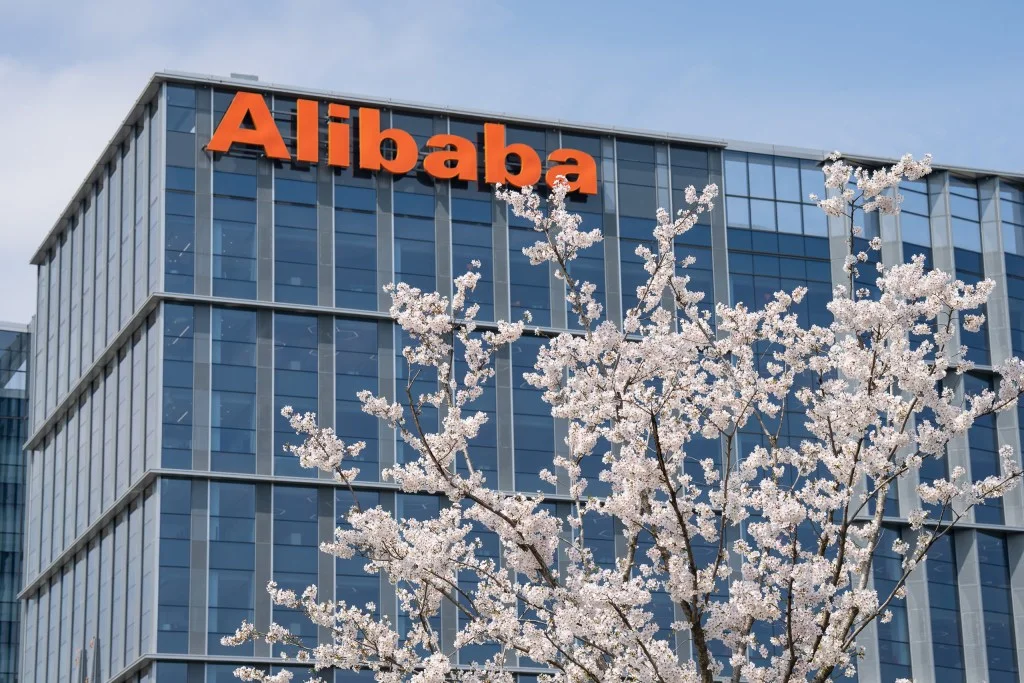
Sale Announcement
Alibaba Group is initiating a sale of its gaming subsidiary, Lingxi Games, as sources indicate the company is actively engaging with five prospective buyers. Notable contenders include Chinese game developers such as 37 Interactive Entertainment, China Ruyi, Century Huatong, and Giant Network, alongside two private equity firms. This sale underscores a significant shift in Alibaba’s broader strategy, particularly within the gaming sector which has seen fluctuating fortunes in recent years. As one of the largest tech conglomerates in China, Alibaba's decision to part with Lingxi Games signals a reevaluation of priorities, possibly in response to both market demands and internal pressures.
Financial Details
The business is reportedly appraised between seven billion yuan (approximately $1.03 billion) and nine billion yuan (around $1.33 billion). This figure reflects not just the current revenue and growth potential of Lingxi Games, but also the wider economic environment affecting Chinese tech companies. While the expected sales range seems substantial, it’s also a reflection of the gaming sector's competitive landscape. Market dynamics have led many firms to consolidate or divest non-core assets to enhance cash flow. This move is part of Alibaba’s strategy to streamline its asset portfolio while generating liquidity. In recent times, companies in the tech industry are under pressure from changing regulations and market volatility. This might be Alibaba's attempt to create a more agile business model, able to adapt rapidly to the uncertainties it faces.
Lingxi Games' Background
Founded in 2018, Lingxi Games has earned recognition for its popular title, Three Kingdoms: Strategy Edition. This game has not only gained traction within China but has established a foothold in other Asian markets, exemplifying the potential for Chinese developer offerings on a global scale. Lingxi Games, though relatively young in the gaming industry, has positioned itself as a noteworthy player among its peers. Should the sale proceed, it could mark one of the largest divestments of a gaming division by a prominent Chinese internet firm in recent years. Existing trends suggest Chinese gaming companies are increasingly looking for strategic partnerships or acquisitions to bolster their portfolios. If you're working in this space, this trend could signal broader industry shifts towards consolidation.
Market Context
The decision by Alibaba to sell Lingxi Games comes amidst heightened scrutiny of the gaming industry in China. Recent years have seen the government impose stricter regulations, particularly targeting gaming addiction among youth and gambling-related issues. This regulatory environment has forced many companies, including giants like Tencent and NetEase, to rethink their business strategies and game offerings. Alibaba's divestment is consistent with broader patterns where major firms seek to mitigate risks associated with government oversight while optimizing their portfolios. There’s also growing competition from emerging gaming firms that are agile and in tune with rapidly changing consumer preferences, further fueling the need for established players like Alibaba to adapt.
Implications for the Gaming Landscape
This impending sale could have significant implications for the gaming landscape in China. If Lingxi Games is acquired by one of its competitors, we could witness a rapid merger of intellectual properties and talent, leading to a potential reshaping of game offerings in the market. Larger companies acquiring Lingxi might aim to integrate its successful title, Three Kingdoms: Strategy Edition, into their portfolios rather than develop similar products independently. This type of consolidation often leads to a decrease in diversity among game offerings but can also enhance quality through consolidated resources and expertise.
Moreover, the outcome of this sale will not only affect the companies involved but also hint at the strategic direction of Alibaba as a whole. A successful sale could signal a pivot towards a more concentrated focus on core businesses, while an unsuccessful negotiation could indicate struggles in attracting suitable investment in a tightening market. And this is the part most people overlook: the ripple effects of such corporate strategies are profound and may influence upcoming gaming ventures or even developer collaborations within the broader Chinese market.
Future Outlook
Looking ahead, the fate of Lingxi Games also raises questions about the future of gaming in China. As more traditional tech giants step back from gaming subsidiaries, we might see an environment where leaner, more innovative players could ascend to prominence. The gaming sector has shown resilience; however, evolving consumer preferences and ongoing regulatory changes will challenge established norms. Moving into the next phase, companies will need to prioritize not only profitability but also sustainable practices that align with societal expectations.
What this means for you, especially if you're in tech or gaming sectors, is that the shifting dynamics offer both risks and opportunities. Companies that can successfully adapt and innovate in this environment stand a better chance of thriving. Those that cannot may find themselves left behind in a fast-paced industry that’s as unpredictable as it is promising.
Discussion
Sign in to join the discussion.