Rokid is responding to privacy issues with its AI glasses by enhancing recording indicators and introducing new privacy protection measures.
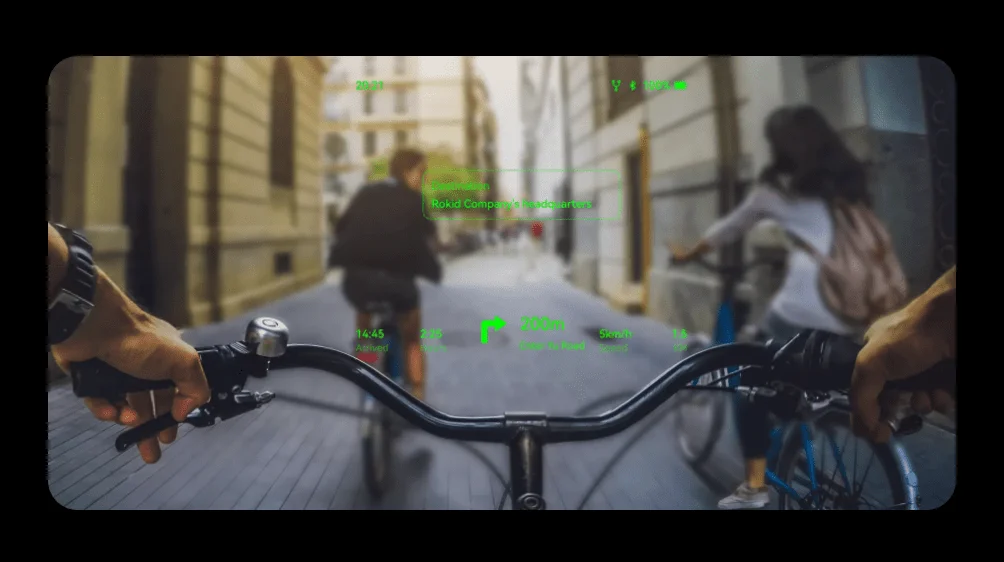
A pair of smart glasses designed for versatility can quickly be transformed into covert recording devices, presenting a real challenge in privacy as these AI-powered products gain traction in the consumer market. Videos surfacing in online communities showing flight attendants filmed without consent have sparked a significant discussion about the ethical implications of such technology.
Growing Concerns Over Privacy
This week, the hashtag “Are smart glasses becoming a tool for covert filming?” gained traction on Weibo following revelations of stealth recording incidents attributed to Rokid devices. Many users have reported spotting videos that raise concerns about privacy violations. These incidents highlight a troubling trend: the readiness of some consumers to exploit technology in ways that can infringe on individual rights. With laws around privacy and consent struggling to keep pace with technological developments, we may be staring at a potential moral crisis.
What’s alarming is the underlying assumption that consumers will adopt personal technology responsibly. It’s easy to overlook the implications when a gadget promises convenience or spectacular features. But this is part of a broader conversation about accountability in technology usage and the necessity of having ethical norms evolve alongside new devices. When high-tech glasses can record video discreetly, the responsibilities of both the manufacturers and the users need to be examined more critically.
Light-Blocking Stickers: A Real Indicator of Market Sentiment
Interestingly, sales data has emerged from e-commerce platforms indicating that over 5,000 units of light-blocking stickers, meant to obscure recording indicator lights, have been sold. Once applied, these stickers effectively prevent bystanders from noticing when a recording is taking place, as audio cues are typically inaudible outside of the device's wearer. The fact that such products are gaining popularity is a red flag. If a consumer needs to conceal an indicator light, it suggests a tacit acknowledgment of wrongdoing.
As consumers increasingly look for means to counteract potential invasions of their privacy, this burgeoning market for stickers reveals how widespread concern has become. Rather than addressing the issue directly through improved technology, there's a workaround culture emerging, one that caters not to the protection of the innocent but to the clandestine motives of others.
Failures in Privacy Mechanisms
The implications of these behaviors weigh heavily on the brand and the wider market, reflecting not only user habits but also the deficiencies in the privacy mechanisms operating within smart wearables. In some models, recording indicators are placed out of sight, flashing briefly only when activated, while audio alerts emit only within a limited radius, making it difficult for those nearby to be aware of any recording. This creates a dangerous dynamic where individuals may unwittingly become subjects of surveillance, their consent irrelevant in a highly automated age.
As technologies evolve to support continuous image capturing, the question arises — do current notification systems offer adequate protection for the public? The business models driving smart glass innovations typically prioritize user experience over ethical considerations — a misalignment that needs correction. There's a pressing need for the smart glasses industry to implement comprehensive technical and governance frameworks that better safeguard personal privacy.
Raising the Standards for Privacy Notifications
Prominent and persistent recording indicators that are challenging to bypass should be standard. Incorporating visible lights and mechanisms that detect obstructions could automatically halt recording when privacy measures are compromised, ensuring users cannot inadvertently invade others' privacy. It’s hard to fathom how this type of oversight lapses through the design process, but it does. Manufacturers really need to reassess their responsibility to consumers and those who are recorded.
Enhancing transparency in recording activities is essential for balancing user convenience against the public's right to privacy. Platforms should enhance content moderation capabilities using AI-driven image recognition and keyword detection to limit the spread of footage that might infringe on individual rights. This request isn’t just for show; it’s a means to prevent the potential misuse of technology in public spaces.
Rokid's Response and Future Implications
As part of its corrective response, Rokid announced that upcoming designs will include hardware-level notifications and improved obstruction detection features, signaling a commitment to enhancing user privacy. However, the effectiveness of these solutions will have to be assessed as the market evolves and user feedback comes in. Will these changes be enough to restore consumer confidence? Or will they be seen as a half-hearted attempt at damage control?
If you're working in this space, there's a bigger conversation happening about responsibility and transparency in tech products. Can manufacturers truly uphold ethical standards while still pushing for tech advancements? It’s a thin line to walk.
The Road Ahead: Balancing Innovation and Privacy
Smart glasses are fundamentally neutral devices with the potential to enhance daily interactions, productivity, and learning. Yet, they also present new challenges regarding privacy that can't be overlooked. With this technology transitioning from a niche offering to mainstream acceptance, the pivotal task for the industry will be to strike a suitable balance between innovation and the protection of personal privacy. Failure to do so could lead not just to consumer distrust but could also invite stricter regulations and oversight from governing bodies.
What this means for you is that staying tuned to these developments isn't just for tech enthusiasts — it's essential for anyone who values their privacy in an increasingly digital world. If the user base demands more transparency and accountability, the manufacturers will have to respond. The clock is ticking.
Discussion
Sign in to join the discussion.