CATL's new facility in Xiamen is set to redefine energy storage testing with significant investments and comprehensive validation capabilities.
Introduction to CATL and Its Ambitions
Contemporary discussions surrounding energy storage often lead us to focus on a few key players. Among them, Contemporary Amperex Technology Co., Limited (CATL) stands out. This Chinese company has rapidly transformed into a global leader in battery technology, especially for electric vehicles and renewable energy systems. Established in 2011, CATL has consistently pushed the envelope in battery innovation, and now, with the inception of its Energy Storage Validation Research Institute, the firm is intensifying its commitment to refining energy storage technologies. This facility isn't just an impressive monument; it's a strategic move to fortify CATL's position in the highly competitive energy storage market.
Significance of the New Institute
CATL’s Energy Storage Validation Research Institute in Xiamen is touted as the largest of its kind, covering an expansive 10 hectares. An investment of about $440 million indicates a serious commitment. In a market where reliability and efficiency are paramount, this institute can serve as a cornerstone for advancing energy storage solutions. Why does this matter? As the demand for renewable energy sources climbs, the need for effective energy storage is also growing. The ability to store energy generated from solar and wind sources plays a pivotal role in stabilizing power grids and ensuring a consistent energy supply.
Advanced Laboratories for Enhanced Testing
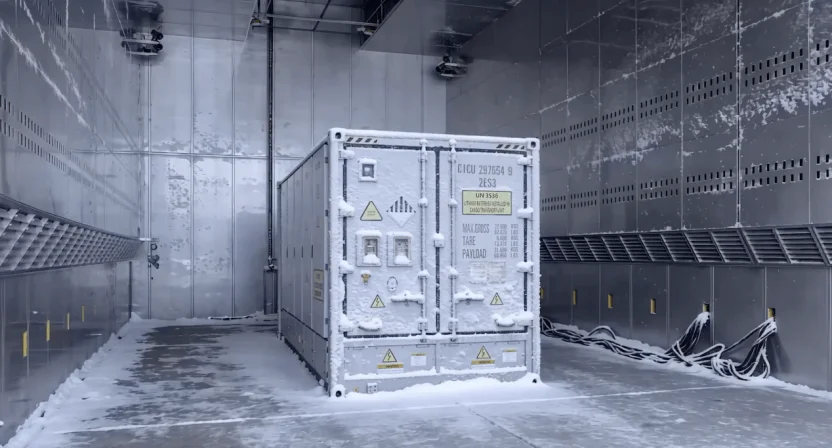
The facility houses five specialized laboratories designed to address significant challenges in energy storage. Each laboratory focuses on critical areas: grid integration, high-voltage safety, thermal safety and combustion, environmental reliability, and electromagnetic compatibility. This multi-faceted approach reflects an understanding of the complexities involved in energy storage systems. Testing components in isolation might provide some insights, but real-world performance often reveals flaws that won't be uncoverable in a controlled environment.
For instance, grid integration concerns how energy storage systems can interact with and enhance existing power grids. In this age where many countries are making aggressive strides towards renewable energy usage, ensuring that storage systems meld effortlessly with varying grid structures is vital. High-voltage safety testing addresses hazards associated with electrical systems operating at extreme voltages, a critical concern as energy storage systems scale up in both size and capacity. The testing for thermal safety and combustion equates to understanding how these systems behave under extreme conditions—something manufacturers can't afford to overlook.
Environmental reliability is yet another pressing issue. As energy storage systems are deployed in diverse environments, it's crucial to confirm they can withstand temperature variations, humidity, and other potential stressors that could affect their longevity and efficiency. Then there's electromagnetic compatibility, which helps to ensure that energy storage systems won’t interfere with other electronic devices, a consideration growing increasingly relevant as technology becomes more interconnected. The intent here is clear: CATL aims to strengthen the credibility of energy storage solutions on multiple fronts.
Industry Context and Competitive Landscape
The establishment of this research institute comes as energy storage demand skyrockets driven by the global energy transition. Companies like Tesla, LG Chem, and Panasonic are already established players, each thinking outside the box. CATL’s timing of this investment signals its intent to not just keep pace, but to lead in an era where energy storage could play a decisive role in mitigating climate change impacts and promoting renewable energy adoption.
Competitors are not just sitting idle. Tesla's Gigafactory, which produces large-scale batteries for both vehicles and energy storage applications, has set a high bar. In that competitive scenario, CATL’s creation of a dedicated research facility can enhance its product offerings significantly. By investing in full-system validation rather than just component testing, CATL is positioning itself to respond more effectively to the demands of manufacturers and utility companies worldwide.
Collaborative Platform for the Sector
Beyond testing their own products, CATL’s new institute is envisioned as a collaborative platform for various stakeholders in the energy storage sector. This focus on collaboration could signal a broader industry shift. Partnerships often drive innovation, and by bringing together different entities—from suppliers to researchers—CATL might catalyze essential advancements in energy storage technology. It’s an ambition that certainly aligns with evolving market dynamics where openness and cooperation can benefit all, and catalyze new developments.
If you're working in this space, this collaborative approach could reshape how companies share knowledge and technologies. It’s not just about competing anymore; it’s about fostering an ecosystem that efficiently addresses urgent energy challenges facing the planet.
Implications and Future Outlook
The implications of CATL’s investment in the Energy Storage Validation Research Institute are significant. As energy systems evolve, reliability and safety standards will likely intensify. CATL's proactive stance on comprehensive testing may set new benchmarks that others in the industry will need to meet or risk falling behind. We may witness a ripple effect where additional players invest similarly in research and validation to remain competitive.
In the broader context, as countries strive to meet climate goals, the technologies developed and validated at this institute could be instrumental in enhancing energy storage solutions on a global scale. This could ultimately influence regulatory frameworks and market dynamics. The future of energy storage will depend not only on the technology itself but on robust validations that inspire confidence in potential users.
And this is the part most people overlook: as nations increasingly rely on renewable resources, their infrastructure's resilience hinges on such innovations. CATL's institute could be a harbinger of better energy practices globally, shaping a sustainable future that is both technologically advanced and environmentally responsible.
Discussion
Sign in to join the discussion.