Open source projects cultivate essential communication and interpersonal skills, vital for software engineers aiming for leadership roles.
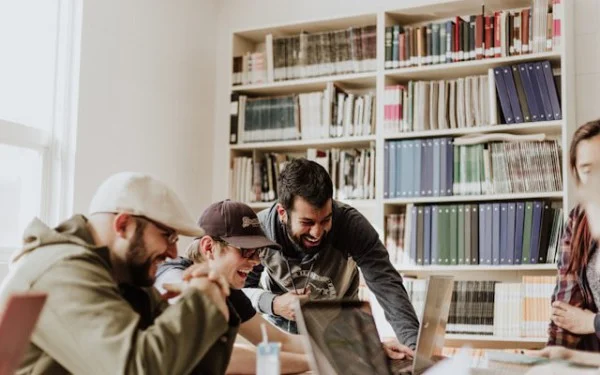
The Shift in Perspective on Soft Skills
For many software engineers, soft skills often take a back seat, perceived as traits necessary mainly for managers and recruiters. However, this viewpoint can quickly become outdated. As careers progress, relying solely on technical skills proves insufficient. Greater responsibilities entail the ability to articulate ideas, influence outcomes, navigate conflicts, build trust, and convey feedback—all while engaging with colleagues beyond the technical sphere.
The misconception that soft skills are less important only intensifies with time. Understanding and connecting with team members isn't just beneficial; it’s essential. Soft skills encompass a wide range of attributes, including emotional intelligence, active listening, and adaptability. Without these skills, engineers may struggle to successfully collaborate on projects that require more than just coding prowess. This situation often plays out during cross-team collaborations or in Agile environments, where effective communication dictates the success of project outcomes.
This cultural shift towards recognizing soft skills is evident across the tech industry. Leading companies have started valuing interpersonal skills as much as technical knowledge. They understand that an engineer who can lead discussions and facilitate teamwork often drives more successful projects than one who solely focuses on writing flawless code.
Open Source as a Training Ground
Acquiring soft skills presents its own challenges. Unlike the straightforward paths to mastering programming languages or system architectures, developing communication and interpersonal skills hinges on real-world interactions. This disparity is a source of frustration for many engineers who might find themselves excelling technically but lacking in the social arena.
Open source projects create a dynamic arena for honing these abilities, offering chances for in-depth discussions, code reviews, proposal writing, community collaboration, and cross-cultural exchanges. These projects often gather contributors from diverse backgrounds, making it necessary to communicate clearly and respectfully. As a result, engineers become adept at articulating complex ideas in simpler terms—essential for people who might not share the same technical expertise. This is where you see transformation happen.
While some engineers may shy away from open source participation due to the collaborative nature involved, those who engage often find that the benefits extend far beyond code. Many discover they can improve their negotiation skills and conflict management, refining how they present feedback to peers. These interactions serve as a playground for both technical and soft skills development.
(And this is the part most people overlook) The collaborative environment of open source projects reflects modern work scenarios, wherein engineers frequently need to jump from task to task while managing multiple stakeholders. So, the question is: why not leverage this opportunity for broader growth? Every comment made during a code review or feedback given on a pull request is an opportunity for growth, not just as a coder but as a communicator.
Challenges in Developing Soft Skills
While the open source model facilitates soft skills growth, it's instrumental to acknowledge the inherent challenges. Contrary to the linear journey of building programming skills, developing soft skills is often non-linear. It involves trial and error, feedback, and might lead to uncomfortable situations. Learning to articulate thoughts clearly doesn't happen overnight. Rather, it requires continuous practice and a willingness to engage with others.
This uneven path can be disheartening. Engineers can find themselves frustrated when feedback does not meet their expectations, or when group dynamics become complex. Real-life interactions often come with unpredictability. Experiences of conflict, misunderstandings, and cultural differences can surface unexpectedly. A static, technology-focused mindset won't help here.
Moreover, the culture of remote work adds another layer to the complexity. In a virtual environment, body language and other non-verbal cues become less explicit or even nonexistent. Thus, engineers still need to forge connections and establish rapport through written communication alone. Here, clarity becomes paramount. Misinterpretations can lead to conflict that derails teamwork and stifles progress, underscoring why nurturing soft skills is key.
Implications for Career Development
As the tech industry continues to evolve, the implications of fostering soft skills will only grow in importance. If you're working in this space, consider the landscape: organizations are placing more emphasis on teams where collaboration is vital. With this shift, engineers who possess both strong technical expertise and advanced soft skills will likely find themselves in demand.
Continued focus on soft skills development will create a new generation of leaders who not only excel at managing technical projects but also inspire and galvanize their teams. Consider how the increasing focus on Agile methodologies and cross-functional teams has shifted the dynamics of responsibilities in software engineering. Engineers now not only create products but also drive the conversations that shape them.
This trend will likely impact hiring processes, where engineers' soft skills will be evaluated alongside traditional technical qualifications. Organizations might implement new interview strategies, focusing on situational questions that assess candidates' interpersonal capabilities and collaborative mindset.
All in all, the future looks bright for those willing to embrace both sides of their professional personas. The marrying of technical expertise with interpersonal skills could lead to a more holistic approach to software engineering, fostering environments where creativity and innovation thrive. The numbers here are underwhelming, but the potential? It’s vast. We've only scratched the surface of what skilled engineers can achieve when they master both the code and the conversation.
Discussion
Sign in to join the discussion.