In high-volume logistics environments, achieving real-time data accuracy is vital. Discover strategies to combat eventual consistency challenges effectively.
Challenges of Real-Time Data Processing
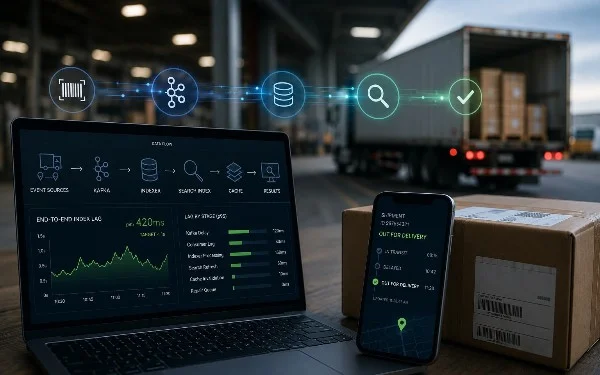
In a logistics visibility ecosystem, the state of shipments can fluctuate thousands of times per second, driven by carrier scans or route adjustments. This constant flux poses a significant challenge for organizations that require real-time visibility of their supply chains. Capturing these changes swiftly is critical; when a package is scanned, or an alteration occurs, they must be incorporated into the search index via Kafka almost instantaneously.
This need for speed is not merely about efficiency; it’s about maintaining control and ensuring accuracy in supply chain operations. If a shipment's status isn’t updated in real time, it can lead to miscommunication, unnecessary delays, and, ultimately, dissatisfied customers. The implications of lagging data are profound, especially in an era where consumers expect immediate updates and tracking capabilities. Just think about it: when you order something online, you expect to see its journey in real-time. If a tracking update lags, it can create worry and confusion for both the business and the end consumer.
The Dilemma of Eventual Consistency
Engineers often grapple with the challenge of maintaining near-instantaneous accuracy. Initially, while the cluster may register as healthy and write acknowledgments appear efficient, search results can lag, rendering them outdated. This is attributed to an eventual consistency issue, a subtle but problematic condition that can go undetected until flagged by users. The concept of eventual consistency means that while the system will eventually reflect the most recent updates, real-time applications, especially in logistics, often don’t have the luxury of waiting.
This dilemma isn’t unique to logistics; it’s a pervasive challenge in distributed systems. Engineers have to balance between scalability and consistency. Yet it raises an important question: can a logistics company afford to operate under an eventual consistency model when consumers demand immediate accountability? For companies, this isn’t just a technical hurdle—it's a potential risk to customer service and brand reputation. You'll find that many tech teams spend countless hours addressing these eventual consistency issues, often trailing behind user expectations.
Layers of Staleness in Data Systems
This inconsistency can manifest across various layers of the architecture: from the replication quorum to the indexing engine and cache tier, and even during the background repair process. Each component may contribute to a significant delay, leading to an end-to-end data lag exceeding one second, all while systems seem operationally normal. What’s alarming is how this lag can go unnoticed. Engineers might see a healthy system status report on their dashboards, but users are experiencing experiences that feel outdated.
(And this is the part most people overlook) This layered complexity can create a frustrating "invisible wall" for developers trying to diagnose issues. In fast-paced logistics environments, the pressure to maintain real-time accuracy can often push engineers to make compromises that aren't evident until the stakes become much higher—like during peak shipping seasons or when dealing with sensitive deliveries. Any delay in data updates could impact everything from inventory management to customer satisfaction, creating a ripple effect throughout the entire operation.
Implications for the Industry
The ramifications of these technical challenges extend far beyond internal operations. They can significantly impact customer experience and company reputation. If you're working in this space, consider how much you depend on real-time data for decision-making. If the data isn't accurate or timely, it can lead to costly mistakes, such as missed delivery windows or inefficient routing. This can be detrimental in industries where margins are already thin.
The shift toward more real-time processing systems likely means investments will need to focus not just on the technology itself, but on improving how teams respond to data anomalies. Companies are increasingly realizing that investing in layered monitoring solutions can pay dividends. That said, the truth remains that this is an ongoing battle against lag; companies may need to consider architectural changes to move toward truly real-time systems.
As the logistics industry continues its transition into a more technology-driven future, these data integrity issues will only grow in prominence. Innovations like artificial intelligence and machine learning may offer pathways to mitigating these lag issues, but these tools come with their own complexities. The question remains: will companies embrace these technologies swiftly enough to keep pace with customer expectations? Time will tell.
Discussion
Sign in to join the discussion.