Static quotas for GPU allocation are outdated; discover how capacity orchestration can optimize resources and maintain user trust in a modern AI context.
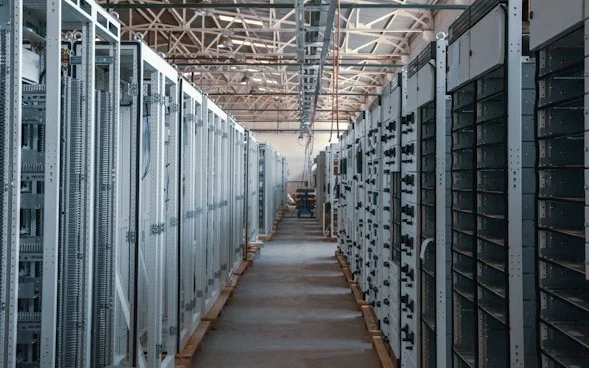
Many machine learning (ML) platforms still rely on outdated methods like static quotas and manual approvals for managing GPU resources. This approach was manageable when resource availability was high and demand predictable, but it falters in the face of increasing complexities in AI workloads. What’s needed is a capacity orchestration layer, built on five core components: intent capture, policy management, hardware brokering, continuous resource reallocation, and goodput accounting. By implementing this structure, organizations can ensure better utilization of their GPU fleets, preventing high allocation rates while maintaining productivity.
Recognizing the Problem
If you're managing infrastructure for a large-scale ML organization, you've probably encountered a disconcerting truth: while your GPU fleet may show an allocation rate exceeding 90%, many devices sit idle, contributing little to overall productivity. Teams may be facing delays due to inadequate access to resources, highlighting the inefficiencies in the traditional allocation model. Here’s the thing: this isn’t just an operational hiccup. It speaks to deeper issues at play in the rapidly advancing field of machine learning.
As AI expands in sophistication, workloads have become increasingly diverse. No longer can we expect a simple linear growth in resource demand correlating to performance gains. Instead, many organizations find themselves juggling multiple projects simultaneously, each requiring a tailored approach to resource allocation. Traditional methods that might have sufficed in the past simply can't handle this complexity. Over-reliance on static quotas restricts flexibility — imagine needing to choose between two vital projects because your GPU allocation is locked. Frustrating, right?
The Need for Change
To tackle these inefficiencies, a shift toward an advanced capacity orchestration layer is necessary. This isn’t just a buzzword; it embodies a strategic overhaul. The five core components of this layer can, and should, be viewed as fundamental building blocks, each addressing critical shortcomings of the existing systems.
Intent Capture
The first component, intent capture, focuses on understanding user requirements. It goes beyond basic requests by incorporating contextual information about workloads — understanding not just what resources are needed but when and why. Similar systems typically gather feedback through direct interfaces or machine learning algorithms to analyze historical usage patterns, allowing for a more predictive approach to resource management.
Policy Management
Next up is policy management. It provides a framework for resource allocation that can adapt in real-time, accounting for usage trends and priority shifts among different teams or projects. Unlike static policies that might still govern many data centers, dynamic policy management adjusts based on ongoing demands. It’s a move away from one-size-fits-all rules to a nuanced approach, which is essential in environments where continuous integration and delivery are the norms.
Hardware Brokering
This brings us to hardware brokering. As ML workloads vary, so do the requirements for GPU types and specifications. The ability to handle a marketplace of hardware resources — where different GPUs can be matched with the right workloads — enhances efficiency immediately. Organizations don’t just need to rent more GPUs; they need the right GPUs at the right time, and that involves automated broker systems that can manage this for them.
Continuous Resource Reallocation
Then there's continuous resource reallocation. This feature tackles the age-old problem of underutilization. Many systems face what’s known as "resource contention," wherein multiple workloads vie for the same GPU power, ultimately leading to slowdowns. A capable orchestration layer will shift resources on-the-fly, reallocating hardware to areas of higher demand while ensuring that idle GPUs aren’t left sitting without purpose. It creates a flow that’s more like a finely tuned assembly line than a static warehouse.
Goodput Accounting
Finally, there's goodput accounting — a metric that goes beyond traditional throughput evaluations. It represents the effective utilization of GPU resources over time, taking into account successful output against idle time. Systems often overlook this metric, yet tracking it can offer vital insights into performance bottlenecks and inefficiencies that can be systematically addressed. (And this is the part most people overlook.)
Industry Context
The challenge of managing GPU resources isn't unique to ML applications. Other sectors, including gaming, cloud computing, and scientific research, face similar hurdles, especially as demand for high-performance computing surges. For example, telecommunications companies have had to adapt their infrastructure to better serve data-intensive applications like 5G and IoT. The resource optimization techniques developed through these challenges can find parallels in ML, suggesting there’s no need to reinvent the wheel.
Moreover, as industries increasingly adopt artificial intelligence, the competition for GPU resources is bound to intensify. Organizations that lag in adopting modern orchestration methods risk falling behind in productivity and innovation. A strategic adoption can equate to a noticeable edge in the fierce race of technological advancement.
Implications and Future Outlook
The implications of a shift to a more capacity-oriented orchestration model are significant. For one, organizations can expect improved agility — being able to spin up or scale down workloads on demand reduces the risk of project delays caused by resource bottlenecks. In a field where time-to-market can be a critical differentiator, that speed can dictate success or failure.
What this means for you, if you're part of a team managing these resources, is that you’ll need to start preparing for this transition toward a data-driven allocation strategy. Familiarity with advanced metrics and orchestration software will become increasingly critical, not just for cloud engineers, but across wider teams engaging with ML projects.
Ultimately, as machine learning continues to redefine industry standards, organizations that embrace modern resource management practices are likely to outperform those unwilling to adapt. As complexity grows and the demand for computational power ramps up, sticking with outdated methods may lead to missed opportunities and wasted potential. The future is not just about having resources, but knowing how to maximize their effectiveness.
Discussion
Sign in to join the discussion.