Xiaomi has initiated pre-orders for its N90 Max extended-range SUV, priced at RMB299,900, featuring sophisticated AI-driven technologies.
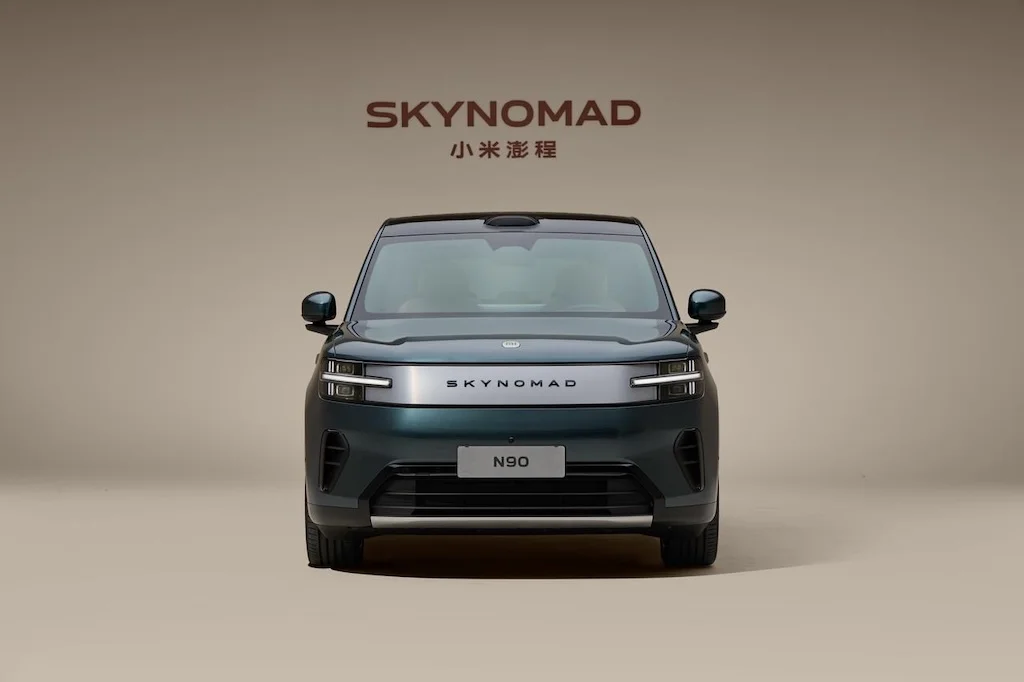
Xiaomi's N90 Max SUV Pre-Order Launch
Xiaomi has begun pre-orders for the N90 Max, its latest extended-range SUV in the Pengcheng series, priced at RMB299,900. This marks a significant step for the tech giant as it continues to push the boundaries of its automotive offerings. Traditionally known for smartphones and smart home devices, Xiaomi's venture into the automotive market signals a broader ambition. The official launch is slated for September, but it’s the pre-order phase that reveals consumer interest and sets the tone for future sales trajectories. Just a few years ago, many would have doubted a tech company like Xiaomi could make serious inroads into the automotive industry; now, it appears to be a formidable contender.
Technological Innovations
The N90 Max boasts Xiaomi's HAD assisted-driving system paired with the XLA cognitive model and the powerful Nvidia Thor automotive computing platform. This combination isn’t just about offering a competitive product; it symbolizes Xiaomi's commitment to integrating advanced technology into its vehicles. Every component is designed to work in unison, allowing for a sensor-rich environment that enhances both driver and passenger safety.
A highlight is its rear solid-state lidar, a feature crucial for the vehicle’s autonomous capabilities. Solid-state lidar systems are becoming essential in modern vehicles, as they provide accurate spatial awareness, enabling safe navigation in complex environments. Lidar technology can even outperform traditional cameras in adverse weather conditions, giving the N90 Max an edge in safety features. This isn't something you'll find in every SUV—they're often integrated in luxury models, making Xiaomi's decision to include such tech noteworthy.
The potential implications are vast. If Xiaomi can effectively implement this technology at a competitive price point, they'll not only disrupt established automotive players but could also accelerate the industry's shift towards more autonomous vehicles. For tech enthusiasts and car buyers alike, this kind of advancement raises expectations across the board.
Impressive Range and Ecosystem Integration
With a combined CLTC range of 1,705 kilometers, users can enjoy an impressive boost of up to 285 kilometers with just 15 minutes of charging. This feature captures the growing consumer demand for electric vehicles that deliver not only range but also convenience. Rapid charging capabilities are essential in persuading potential buyers wary of electric vehicle technology. Offering such remarkable range puts the N90 Max in direct competition with established electric SUVs like the Tesla Model Y and others, which have dominated the market thus far.
This model signifies a key move for Xiaomi, connecting its automotive efforts to its larger AI and connected device ecosystem. Imagine an N90 Max that doesn’t function in isolation but interacts seamlessly with the myriad of Xiaomi smart devices in a user’s home. We’re talking about a vehicle that’s more than metal and plastic—it’s a node in a larger digital lifestyle. If you’re working in this space, you’ll likely see other manufacturers scrambling to catch up with integrated ecosystems like this. The future isn’t just about individual smart products; it’s about how they all come together to offer a more cohesive user experience.
Market Context and Competitive Landscape
Xiaomi is entering an increasingly competitive space, where traditional automotive giants are evolving alongside tech startups. Established brands are investing heavily in both electric vehicle infrastructure and advanced driver-assistance systems to improve their offerings and retain market share. For example, companies like Ford, VW, and General Motors are developing their own electric and autonomous vehicle solutions. However, they often come with a significantly higher price tag than what Xiaomi is proposing.
Moreover, the competitive pressure isn’t merely about price; it’s also about perception. Consumers tend to trust brands that have a longstanding relationship with the automotive sector. Xiaomi faces an uphill battle establishing credibility among those who see them primarily as a tech company.
That said, the company has an impressive track record of rapidly scaling operations across various categories. Remember the swift rise of Xiaomi in the smartphone market? They've managed to disrupt business models and capture significant market share in less than a decade. A similar trajectory in the automotive space could redefine industry benchmarks.
Implications and Future Outlook
Xiaomi's move into the automotive landscape undoubtedly sets the stage for a shift in consumer expectations and industry standards. As their tech influences the features and pricing of vehicles, established manufacturers might have to reassess their strategies. If Xiaomi achieves success with the N90 Max, it could propel the company into a broader range of automotive offerings.
This isn’t merely about adding a fourth or fifth wheel to their product line; it means investing in a long-term vision where automobiles become integrated into smart ecosystems. The implications don't stop there. This strategy could push other automobile manufacturers to enhance their technology offerings, perhaps causing them to decrease prices or accelerate their development timelines for new features.
In essence, the N90 Max isn’t just a product launch; it’s a call to action for an industry ripe for change. Expect more players to challenge the status quo, pushing the boundaries of what's possible within the automotive sector. The stakes are higher than ever, and companies (including Xiaomi) will be watching closely to see how this high-tech, high-stakes race will unfold.
Discussion
Sign in to join the discussion.