Tencent's QQ Pet returns with upgraded AI features, allowing for more engaging interactions through its new Hunyuan Hy3 model.
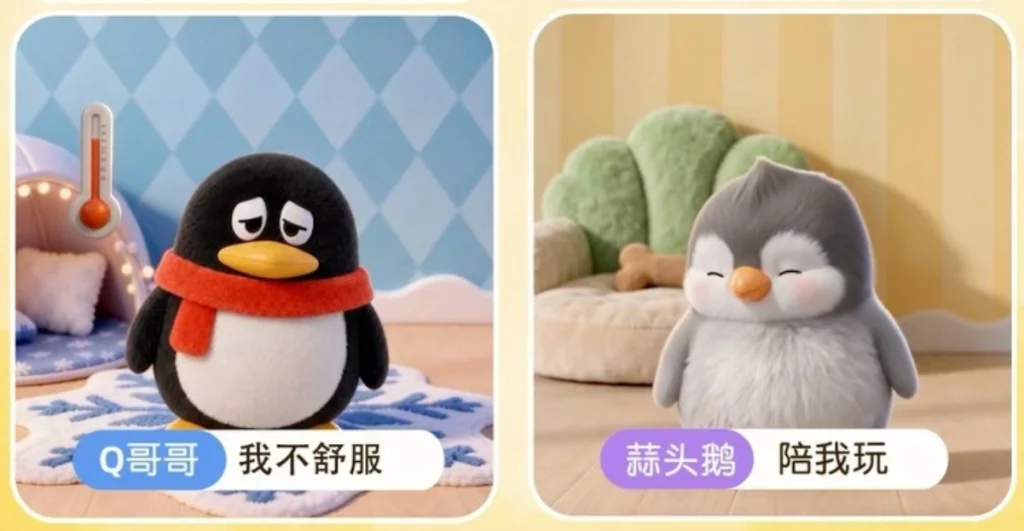
QQ Pet's Comeback with a Fresh Look
Tencent has reintroduced its iconic QQ Pet service, now featuring a modern design and powered by the Hunyuan Hy3 language model. This updated version brings 3D character models that enhance user engagement with the pets. The re-launch is an intriguing pivot, both for Tencent and for the broader digital companion market. QQ Pets originally launched in the early 2000s, tapping into a wave of interest in virtual pets that was popularized by titles like Tamagotchi. Now, with the addition of modern AI capabilities and aesthetic upgrades, Tencent clearly aims to reconnect with a nostalgic audience while drawing in new users who appreciate sophistication in digital experiences.
Classic Gameplay Meets Advanced AI
While retaining key gameplay elements like feeding and bathing, the revamped QQ Pet adds greater variety in pet appearances and personality traits. The integration of advanced AI means that these virtual pets can exhibit more nuanced behaviors and interactions, moving beyond static responses to dynamic engagements. Users can also expect their virtual companions to integrate into core QQ functionalities, appearing in chat lists and within conversations. This kind of seamless integration can enhance user experience, making virtual pets feel like a part of daily digital communication, akin to emojis or GIFs. However, one wonders: will pet owners engage more deeply with these mascots, or will they simply become another fleeting trend in an already-bustling digital world?
About the Hunyuan Hy3 Model
Launched in July, the Hunyuan Hy3 model boasts an impressive Mixture-of-Experts architecture, featuring 295 billion parameters in total, with 21 billion actively used. This innovation supports an extensive context window of 256K tokens, enriching the AI-driven interactions for users. For comparison, previous models generally operated with significantly fewer parameters and narrower context windows, which limited their conversational abilities. The architecture allows for complex interactions, making QQ Pets not just lifelike in appearance but also in personality and responsiveness.
The Technology Behind the Transformation
AI has changed the landscape of digital interactions considerably. Virtual pets, once limited to simple commands, can now participate in rich, nuanced dialogues. With the Hunyuan Hy3 model powering QQ Pets, interactions can include personalized relationships that adapt over time, based on how users engage with their pets. This capacity might actually deepen user attachment, transforming how consumers view virtual companionship. Imagine a pet that remembers your preferences or reacts based on your recent activities—this is not just entertainment; it's a step toward more emotionally intelligent interfaces.
The Implications of User Engagement
What's at stake here is the potential scope of emotional investment users might have in virtual pets. Creating AI-driven companions that reflect users' personalities or moods could have ripple effects across various sectors, from gaming to mental health apps. This is particularly relatable for communities that seek a sense of companionship, especially among younger generations often tethered to their screens. Furthermore, these sorts of interactions could gather data not just on user preferences but also emotional states, offering insights that companies can use to refine their products. Yet, one must consider the ethics behind such data use—who owns this information, and how might it be applied?
Market Context and Competitors
Tencent isn’t alone in this endeavor; competition is heating up in the virtual companion space. Companies like Nintendo with their Nintendogs franchise and various mobile gaming apps that allow users to care for digital pets have paved the way for this segment. However, Tencent’s combined use of social engagement via QQ and AI innovations places them in a unique position. If you’re working in this space, this could signify a shift toward more socially integrated experiences powered by AI, urging other companies to revisit their digital pet offerings. Will other firms step up their game, or could Tencent establish itself as the definitive leader in this market once again?
Future Outlook
The future of QQ Pets looks promising, yet challenges linger. The novelty of AI may attract initial attention, but retaining user interest over time will depend on how Tencent evolves these pets beyond their current features. If the company can continue to innovate, perhaps introducing more complex tasks or social interactions, they could cultivate a dedicated community. However, as we’ve seen with past trends, consumer interest can wane quickly once the novelty fades. What this means for you is that staying ahead of user preferences and delivering consistent, enriching experiences will be non-negotiable for Tencent, as well as for others in the sector.
Say what you will about virtual pets, but their evolution alongside digital communication reflects changing social dynamics. The physicality of pets no longer exists in isolation; they're merging with digital identities, forcing us to reconsider what companionship looks like in the modern world. (And this is the part most people overlook.) How Tencent navigates this intersection of technology and social behavior could redefine virtual companionship for years to come.
Discussion
Sign in to join the discussion.