Baidu's Apollo Go launches its first robotaxi trials in London with FREENOW and Uber, aiming for public rides by 2027 in a right-hand-drive environment.
New Era for Robotaxis in London
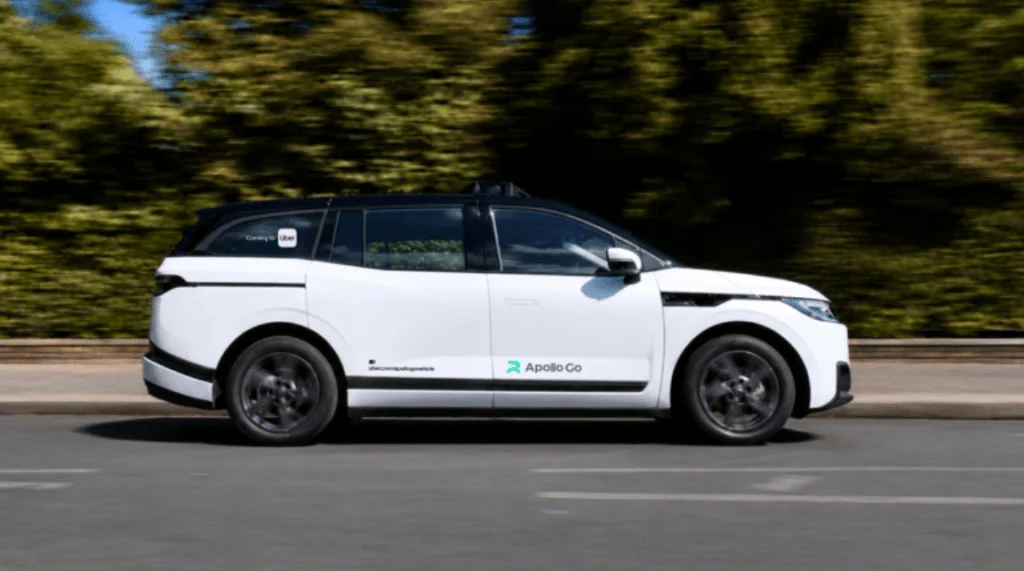
Baidu’s Apollo Go is making its debut in London, marking a significant step in the evolution of autonomous vehicles. In a partnership with FREENOW, a platform under Lyft, the Chinese company is testing its robotaxis on the streets of the UK capital. This move is indicative of how competition for dominance in the autonomous vehicle sector is intensifying not only among established companies but also emerging players from different parts of the globe. The attraction to London is clear; it's a global city with a complex transportation network and a diverse range of driving conditions that can serve as a rigorous proving ground for innovation in this field.
Market Entry Challenges
Baidu’s ambitious entrance into the UK market reflects a growing trend where companies from one nation explore opportunities in others. However, this isn't without significant challenges. For one, the regulatory environment varies greatly from one country to another. In the UK, the government has shown interest in promoting autonomous vehicles but remains cautious. The legal frameworks surrounding vehicle safety, liability, and data privacy can pose additional hurdles for foreign entrants like Baidu. Baidu will need to navigate these complexities carefully if it wants its operations to run smoothly in London.
Firsts in a Complex Market
This initiative represents the first time a Chinese autonomous vehicle engages in real-world testing within London's intricate traffic patterns. The circumstances in the UK can sharpen the focus on how vehicles react to unique driving behaviors typical of British drivers. From roundabouts to pedestrian-heavy zones, London provides a comprehensive testbed. Baidu’s venture not only extends Apollo Go's operations into markets that accommodate right-hand drive but also exemplifies a pivotal moment where Chinese technology is directly influencing Western markets.
Technical Specifications and Safety Concerns
The trials will feature Apollo RT6 robotaxis, which will have safety operators on board during the initial phases in Brent, a borough that showcases both urban and suburban environments. Safety remains a paramount concern in the deployment of autonomous vehicles. While the RT6 may be equipped with advanced sensors, AI, and safety protocols, having a human operator on board during the testing phase is a smart precaution. It highlights the challenges still present in achieving full autonomy. No one wants a repeat of high-profile incidents that have occurred during autonomous vehicle tests, which can derail public trust and prompt immediate regulatory scrutiny.
Public Perception and Acceptance
Public acceptance plays a huge role in the success of autonomous technology. Picture this: while many tech enthusiasts applaud the arrival of robotaxis, general public opinion is often mixed, rooted in concerns over safety, job displacement, and the reliability of these systems. If you're working in this space, you'll want to pay attention to how Baidu and FREENOW engage with the community. Building trust won’t just be about showcasing technology but also about openly addressing public fears. Regular interaction, educational campaigns, and demonstrative events can go a long way in alleviating skepticism.
Testing Ground and Future Prospects
FREENOW and Apollo Go are targeting to offer public rides by 2027, aiming to integrate these services within one of the world’s busiest cities. That said, the timeline for introducing fully operational robotaxi services in London will depend on the outcomes of these trials. Moreover, as they establish a foothold in the UK, other markets are watching closely. Should their tests succeed, it's likely we'll see a ripple effect, prompting other companies to push harder for their own autonomous ventures overseas.
Global Implications
As seen with this initiative, the activity around Baidu's Apollo Go isn't just a local test; it has broad implications for how Chinese technology is adopted and perceived globally. Expanding into the UK allows them to embrace a different set of regulations and driving cultures, potentially setting a precedent for other Chinese companies eyeing Western markets. The success or failure of this project could dictate the pace at which similar companies attempt their own launches abroad. (And this is the part most people overlook.) Most tech companies aren't operating isolated; they exist within a highly interconnected web of geopolitical relations and economic stratification.
Future Outlook
As trials continue in London, the incoming data from these tests will be indispensable. Insights gleaned from how the Apollo RT6 maneuvers through London's diverse environments can inform not just Baidu's future endeavours, but also enrich the global knowledge pool on autonomous vehicle technology. The implications stretch beyond commercial gain; they may include advancements in urban planning, traffic management, and safety protocols that could redefine urban mobility. The future of robotaxis may hinge not just on technological capability but also on public sentiment and regulatory frameworks. What this means for you, as a stakeholder in this domain, is clear: monitoring this trial's progress will be essential for anticipating shifts in the market and understanding potential opportunities that arise from them.
Discussion
Sign in to join the discussion.