Porsche's first-half vehicle deliveries drop 16%, largely due to a steep decline in China sales and shifts in market strategies.
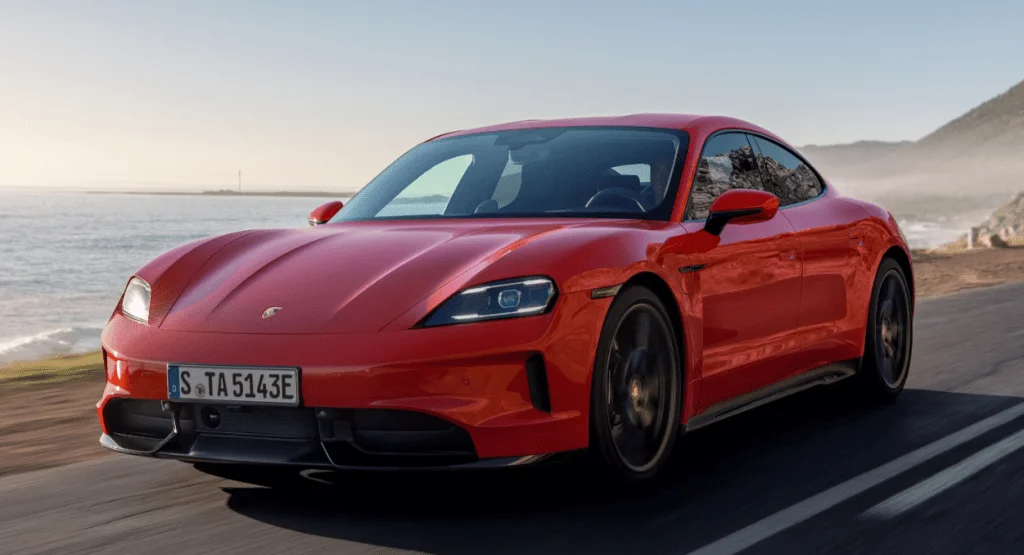
Global Deliveries Decline
During the first half of 2026, Porsche reported global vehicle deliveries totaling 122,306, reflecting a 16% decline compared to the previous year. This downturn highlights significant challenges, particularly in the Chinese market, where sales fell nearly one-third. The substantial drop in deliveries raises questions about the broader automotive industry's recovery and the strategies manufacturers deploy in response to shifting consumer preferences and economic pressures. Analysts have noted that the luxury vehicle segment, while generally more resilient, isn't immune to external factors such as fluctuating tariffs, supply chain disruptions, and a tightening economy.
China has long been viewed as a critical growth market for luxury automakers. For many brands, including Porsche, the country's booming middle class and ascendant wealth have translated into record sales years. However, recent trends indicate a marked decline in consumer confidence. Reasons range from government scrutiny of luxury goods consumption to genuine economic slowdowns, which affect high-end spending. If these conditions persist, it's conceivable that they could redefine luxury vehicle consumption in China. The implications might even ripple across other emerging markets as consumer behavior evolves.
Market Strategy Adjustments
The company has attributed these figures to difficult market conditions alongside its strategic aim of prioritizing quality over quantity in sales. This approach is evident as North America, its largest market, saw a 13% decrease in deliveries, while Europe (excluding Germany) experienced a 14% drop. Porsche's renewed emphasis on quality signals a shift in manufacturing and customer engagement strategies that may resonate with buyers looking for value and reliability over sheer numbers. However, one has to wonder: will this strategy sufficiently shield Porsche from ongoing market volatility?
In light of these declines, repositioning toward quality doesn't just mean higher standards in manufacturing; it may incorporate a re-evaluation of how the brand connects with its consumers. Buyers today are increasingly informed, often comparing alternatives across brands and models. Subtle shifts in their preferences could determine the sustainability of Porsche's market posture. Brands thriving during economic uncertainty have usually done so by enhancing the customer experience—something that requires a delicate balance between production and delivery.
Porsche's strategy could face additional hurdles. The automotive sector overall has been wrestling with supply chain constraints, particularly for critical components like semiconductors. Manufacturing delays push back not only production timelines but also the eventual delivery of vehicles to eager customers. Meanwhile, competitors like Tesla and established rivals such as BMW and Mercedes-Benz are ramping up their own strategies to capture market share, adding pressure on Porsche to find a sweet spot between maintaining exclusivity and being accessible to potential buyers. You can't underestimate the importance of timing in this race.
Company Insights
Matthias Becker, Board Member for Sales and Marketing at Porsche, acknowledged the decline but emphasized that the results were anticipated and aligned with the company's expectations. This response signals Porsche's ongoing commitment to navigating current market dynamics. It’s worth considering how executive communications shape investor perceptions and customer confidence. Being upfront about challenges often garners some goodwill, but you can bet stakeholders are closely watching for signs of recovery.
Porsche's acknowledgment of market challenges reflects a long-term approach. Rather than chasing after immediate sales to compensate for short-term losses, the firm's management seems to focus on recalibrating its operational model. Mind you, this isn’t just about shifting gears; it's navigating a winding road filled with uncertainties. Talk of prioritizing quality could translate into higher investments in R&D and possibly even more stringent quality checks before vehicles hit the market.
Additionally, how Porsche communicates its plans for the future matters significantly. If you're an investor or even a devoted fan of the brand, you'll want to stay attuned to any strategic announcements regarding new model launches or electric vehicle initiatives. The auto industry is undergoing a significant transformation toward sustainability, and Porsche must not only keep pace but also assert its leadership in electrification. It’s a tall order with the competition keenly aware of sustainability as a core value in the current marketplace.
Implications and Future Outlook
Given the current economic landscape, the challenges faced by Porsche illustrate a broader issue for the luxury vehicle market. If the downward trend in global deliveries continues, brands may need to reevaluate their sales strategies holistically—considering not just production but how they create value for their customers. The industry might be at a tipping point, where conventional measures of success shift beyond just sales figures.
This situation could also prompt an increase in consolidation within the automotive sector. If smaller manufacturers struggle to keep up with the changing market dynamics, larger players might absorb them to maintain a competitive edge. For consumers, this could lead to fewer options in the luxury segment, affecting prices and availability.
What's more telling is how Porsche and similar brands will embrace technological advancements to regain consumer trust. As electric vehicles gain traction, the race to innovate is likely to accelerate further, meaning those who take bold steps may have the upper hand. There's a risk that brands sticking too rigidly to traditional manufacturing methods could fall behind.
Ultimately, the outcome of Porsche's strategy and the industry's transitional state will impact not just sales figures but the essence of what luxury means in modern automobile markets. If you're involved in this space, keeping an eye on these developments will be key to understanding the future direction of both Porsche and its competitors. Expect shifts, but also steady evolution in consumer expectations that could redefine luxury in the coming years.
Discussion
Sign in to join the discussion.